Hydration 101: Water, Electrolytes, and When You Need More Than Just H20
You've been told to drink more water your whole life. There’s more to hydration though.
What nobody told you is that water alone is only half the equation and that the other half might explain the fatigue, muscle cramps, poor sleep, and stress sensitivity you've been living with.
Here's the reframe how you think about hydration entirely: water cannot fully hydrate you on its own.
That sounds counterintuitive. It is also biology. Water is the vehicle. Electrolytes are what determine whether that water actually reaches your cells, stays there, and enables the biological functions that keep you performing at a high level. Drinking water without adequate electrolytes is like fueling a car without oil. The fuel is necessary, but insufficient without the rest of the system working correctly.
For the high-achieving professional managing chronic stress, an active lifestyle, demanding travel, and a body that is navigating the hormonal and metabolic shifts of midlife, electrolyte status is not a sports nutrition niche topic. It is a foundational health variable with direct consequences for your energy, your cognitive function, your sleep quality, your muscle performance, your stress physiology, and your long-term cardiovascular health.
Let’s get into why electrolytes are not just for athletes and are more than sports drinks.
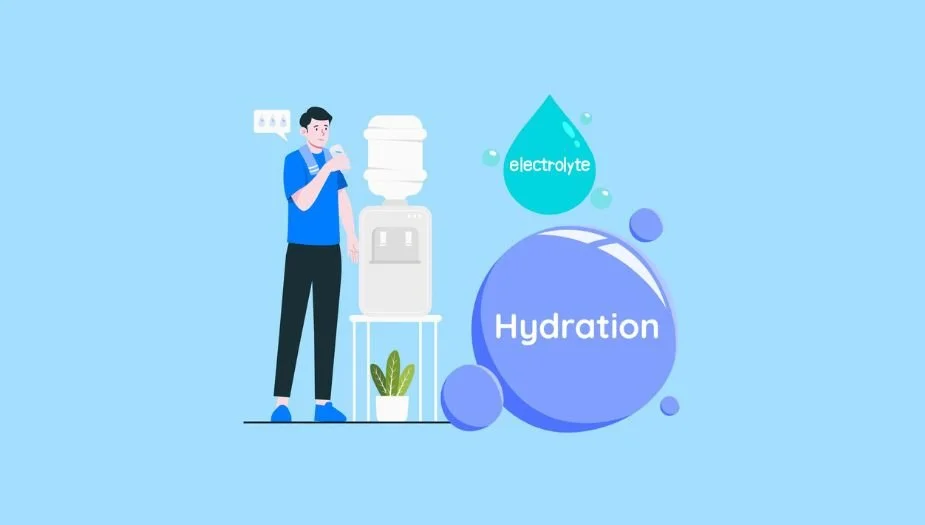
What Electrolytes Actually Are ( In Plain Language)
The word “electrolytes” sounds clinical and slightly intimidating. Don’t be intimidated, the concept is straightforward.
Electrolytes are minerals that carry an electrical charge when dissolved in water. That charge is what makes them remarkable: it's the mechanism by which your nervous system fires, your heart beats, your muscles contract and relax, your kidneys regulate fluid, and your cells communicate with each other.
The primary players are sodium, potassium, magnesium, calcium, chloride, phosphate, and bicarbonate, each doing something distinct and essential. You lose them constantly through urine, breath, and sweat. You replace them through food and fluid. When intake matches loss, you feel and function well. When the balance tips: you feel it, even if you can't name it.
Sodium is the main electrolyte found in extracellular fluid and potassium is the main intracellular electrolyte, both are involved in fluid balance and blood pressure control. Think of sodium as governing the fluid environment outside your cells and potassium as governing the environment inside. Every cell in your body runs a sodium-potassium pump that actively moves these two minerals across its membrane. This is the biological machinery behind nerve impulses, muscle contractions, and cellular communication.
The reason plain water can't fully hydrate you is that cellular hydration requires the right concentration of electrolytes on both sides of the cell membrane. Water moves across membranes from areas of lower electrolyte concentration to areas of higher concentration through a process called osmosis. Without adequate electrolytes, water pools in the wrong places, gets excreted before cells can use it, or simply fails to maintain the gradients that keep cells functional.
This is why many active, health-conscious people drink plenty of water, check their urine color, feel like they're doing everything right and still feel flat, crampy, or foggy. The water is there. The electrolytes to put it to work are not.
The Big Four: What Each One Does and Why Each One Matters
Sodium: The Hydration Gateway
Sodium is the most abundant electrolyte in the body's extracellular fluid and the most immediately important for hydration. It is also the most consistently misunderstood, thanks to decades of public health messaging that conflated dietary sodium with processed food sodium without sufficient nuance.
Sodium controls fluid levels and aids nerve and muscle function. More specifically, sodium is the primary driver of water retention in the body: when sodium levels drop, the kidneys excrete water rather than retaining it. This is why plain water, consumed in large quantities, can actually dilute sodium concentrations and drive water out of the body rather than hydrating it. Adding sodium to water, even a small amount, meaningfully improves the body's ability to absorb and retain that fluid.
Sodium is also the electrolyte lost in the highest concentrations through sweat. Sweat contains primarily sodium and chloride — this is why sweat tastes salty, and why you can sometimes see white residue on skin or clothing after a hard workout or a hot day outside. If you're a heavy sweater, your sodium losses during exercise or heat exposure can be substantial — and replacing them with plain water alone dilutes your remaining sodium further, potentially producing the paradoxical outcome of drinking more and feeling worse.
The practical nuance: most Americans are not deficient in sodium from dietary sources, processed foods have ensured that. But the person exercising hard, sweating in heat, drinking large volumes of plain water, or following a low-carbohydrate or whole food diet without much processed food may genuinely need to pay attention to sodium intake, particularly around exercise.
Potassium: The Cellular Counterpart
Potassium supports heart, nerve, and muscle functions. It also moves nutrients into cells and waste products out of them while supporting metabolism. Potassium works in direct partnership with sodium through the sodium-potassium pump; for every sodium ion that enters a cell, a potassium ion exits, and vice versa. This exchange is what generates the electrical gradients that power nerve impulses and muscle contractions.
Potassium is where most people's electrolyte intake is genuinely inadequate. High sodium and low potassium consumption is observed in all age groups in both men and women. The typical Western diet is heavy on processed foods, light on fruits and vegetables so it delivers excess sodium and insufficient potassium, a combination that is specifically associated with elevated blood pressure, impaired cardiovascular function, and the kind of chronic muscle fatigue that high performers chalk up to overtraining or stress.
The cardiovascular implications are real: potassium helps counterbalance the blood pressure-raising effects of sodium. A diet high in potassium from whole food sources is one of the most evidence-supported dietary interventions for blood pressure management more so than simple sodium restriction alone. For the executive in their late 40s or early 50s who has been told their blood pressure is creeping up, potassium intake is a variable worth examining before reaching for medication.
Magnesium: The One Most Stressed Professionals Are Running Low On
Of all the electrolytes, magnesium deserves the most specific attention from the profile of people most likely to be deficient in magnesium is almost precisely the profile of the high-achieving professional under chronic stress.
Magnesium helps your muscles, nerves, and heart work properly. It also helps control blood pressure and blood glucose. But that summary understates magnesium's role considerably. Magnesium is a cofactor for over 300 enzymatic reactions in the body, including the production of ATP (the cellular currency of energy), the synthesis of DNA and protein, the regulation of the nervous system's excitability, and the production of melatonin for sleep.
Here is the critical insight for high stress, high achievers: both pre-clinical and clinical studies point to a bidirectional relationship between magnesium levels and stress. Magnesium deficiency can induce symptoms and increase susceptibility to stress, and acute and chronic stress can precipitate magnesium deficiency. Cortisol, the stress hormone that runs chronically elevated in burned-out high performers, accelerates the excretion of magnesium through the kidneys.
The more stressed you are, the more magnesium you lose. The more magnesium you lose, the more susceptible to stress and its physiological effects you become. This is the magnesium-stress vicious cycle, and it is one of the most underappreciated mechanisms driving the symptom cluster that characterizes burnout.
Magnesium deficiency may elevate neural excitability, increase muscle tension, or exacerbate oxidative stress responses, thereby impairing the synthesis of sleep-inducing hormones, altering normal circadian rhythms and sleep architecture. The person who lies in bed exhausted but unable to fall asleep, who wakes repeatedly through the night, whose legs cramp or twitch at 2am, who grinds their teeth, who has persistent low-grade anxiety that won't resolve despite managing their schedule, these are textbook presentations of magnesium insufficiency. Not always, but frequently enough that magnesium status deserves investigation before more complex explanations are pursued.
Low dietary or serum magnesium has been associated with higher prevalence and severity of depression and anxiety symptoms. Mechanistic studies support this association, as magnesium appears to modulate stress-response pathways and neurotransmitter balance, including promoting GABAergic inhibition while tempering excitatory glutamatergic signaling.
GABA is the nervous system's primary inhibitory neurotransmitter, the brake pedal on neural excitation. A brain with adequate magnesium is a more regulated, calmer brain. A brain running low on magnesium is a more reactive, more easily dysregulated brain.
Approximately 40% of adults have low dietary magnesium intake. Given that stress further depletes magnesium, and that the high-performer demographic is both more likely to be under sustained stress and more likely to be exercising intensely, both of which accelerate magnesium loss the real-world prevalence of magnesium insufficiency in this group is likely significantly higher than the general population figures suggest.
Calcium: Beyond Bones
Most people associate calcium exclusively with bone health. Yes, calcium is important for bone health but it also does so much more. Calcium also helps blood vessels contract and expand to stabilize blood pressure. It also secretes hormones and enzymes that help the nervous system send messages.
In the context of muscle function, calcium and magnesium work as a pair: calcium triggers muscle contraction; magnesium enables muscle relaxation. When these two minerals are out of balance, specifically when calcium is relatively higher and magnesium is relatively lower, the result is a system biased toward contraction and tension rather than relaxation and recovery. This is a physiological explanation for why chronically stressed, magnesium-depleted individuals often experience persistent physical tension, tight muscles, difficulty relaxing, and poor recovery from exercise.
Who Specifically Needs to Pay Attention to Electrolytes
For most healthy adults eating a varied whole-food diet and engaging in moderate daily activity, the body manages electrolyte balance effectively through food and a reasonable amount of water. The situation changes meaningfully under specific conditions and several of those conditions are highly prevalent in the high-performing professional demographic.
You sweat significantly during exercise. The most important electrolytes in sweat are sodium and chloride, along with potassium, magnesium and calcium. Water alone will not replenish the salt lost, and this is where powders and tablets can be helpful. For exercise lasting less than 60 minutes at moderate intensity, water is generally adequate. During prolonged exercise lasting longer than 90 minutes, commercially available carbohydrate-electrolyte beverages should be considered to provide both fluid replacement and electrolyte support.
You sweat heavily in heat. Hot weather, humid environments, outdoor work, hot yoga, saunas: all significantly increase sweat rate and electrolyte loss. If you can see dried salt on your skin or clothing after activity, you are a heavy sweater and your sodium losses during that session are meaningful. Replacing fluid without sodium in this context further dilutes your remaining electrolyte stores.
You are under chronic stress. As established above, chronic cortisol elevation directly accelerates magnesium excretion. The chronically stressed professional is losing magnesium at a higher rate than a calm baseline and probably not replacing it adequately through diet.
You follow a low-carbohydrate or ketogenic diet. This is a specific and important case: when carbohydrate intake is very low, the kidneys excrete more sodium which is a direct consequence of reduced insulin levels, which normally signal the kidneys to retain sodium. Lower sodium triggers secondary losses of potassium and magnesium. People transitioning to or maintaining a ketogenic diet who experience the so-called "keto flu" — fatigue, headaches, muscle cramps, brain fog, irritability — are almost always experiencing electrolyte depletion, particularly sodium and potassium, that is easily corrected with appropriate replacement.
You drink large volumes of plain water. Counterintuitively, aggressive water consumption without proportional electrolyte intake can dilute serum sodium, a condition called hyponatremia, producing symptoms including nausea, headache, confusion, and in severe cases, seizures. This is rare from water alone in typical consumption patterns, but worth understanding: the person doing a gallon challenge of pure water daily without attention to sodium and other electrolytes is introducing a real risk, especially during and after intense exercise.
You take certain medications. Diuretics prescribed for blood pressure, heart failure, or fluid retention directly accelerate sodium and potassium excretion through the kidneys. Anyone on diuretic medications should have their electrolyte levels monitored regularly and should discuss dietary electrolyte needs with their physician.
You are over 50. Kidney function naturally declines with age, making electrolyte regulation less precise. Older adults are both more susceptible to electrolyte imbalances and less likely to feel thirst, the primary signal that drives fluid and electrolyte replacement, until they are already meaningfully depleted.
The Signs You're Running Low
Electrolyte depletion rarely announces itself dramatically. It tends to present as a collection of symptoms that individually seem explainable — fatigue, brain fog, poor sleep, muscle cramps, irritability — and that collectively are consistently attributed to overwork, aging, or stress rather than to a correctable mineral shortfall.
The symptoms worth paying attention to, particularly when they cluster together or when they persist despite adequate sleep and reasonable stress management:
Muscle cramps and twitching particularly leg cramps at night are among the most classic presentations of magnesium and potassium insufficiency. The muscle cannot complete the relaxation phase of its contraction-relaxation cycle without adequate magnesium, producing the involuntary sustained contraction of a cramp.
Persistent fatigue that doesn't resolve with sleep is often magnesium-related. Magnesium is directly required for ATP production, the fundamental energy currency of every cell. Low magnesium means less efficient energy production at the cellular level.
Brain fog, difficulty concentrating, and reduced cognitive sharpness under stress can reflect sodium imbalance, magnesium insufficiency, or both.
Poor sleep quality, specifically difficulty falling asleep, frequent waking, or restless legs has robust mechanistic connections to magnesium status. Magnesium deficiency may impair the synthesis of sleep-inducing hormones and alter normal circadian rhythms and sleep architecture.
Heart palpitations the sensation of the heart racing, fluttering, or skipping beats can reflect both potassium and magnesium insufficiency, as both minerals are essential for the electrical conduction that regulates heart rhythm. This symptom always warrants medical evaluation, but electrolyte status is a reasonable and frequently overlooked initial investigation.
Headaches, particularly those that accompany dehydration or intense exercise, often reflect sodium and fluid imbalance rather than pure water deficit.
Irritability, anxiety, and emotional reactivity that seem disproportionate to circumstances are consistent with magnesium insufficiency and its effects on GABAergic inhibition and cortisol regulation.
Where to Get Electrolytes: Food First, Always
The wellness industry has done an excellent job of creating the impression that electrolyte supplementation requires purchasing specialized products. It doesn't. Food is the most reliable, most bioavailable, and most nutritionally complete source of electrolytes available and a well-constructed diet covers most people's needs most of the time.
Sodium is the electrolyte most people get in surplus from processed foods. The challenge is not getting enough sodium but getting it from whole food sources rather than processed ones.
Foods to eat: Salt on your food, olives, pickles, cheese, and naturally salty whole foods provide sodium in the context of other nutrients. If you eat a whole food diet with minimal processing and exercise heavily, adding salt to your meals and cooking is entirely appropriate and often necessary.
Potassium is where most people's intake is genuinely insufficient. The best sources are also some of the most nutritionally dense foods available.
Foods to eat: Avocados (one half contains nearly 500 mg), sweet potatoes (one medium potato provides over 900 mg), white beans (over 1,000 mg per cup), salmon, spinach, bananas, and most other fruits and vegetables.
The practical shortcut: if you're eating five or more servings of vegetables and fruit daily, potassium is likely covered. If you're not, it almost certainly isn't.
Magnesium is found in highest concentrations in many plant based whole foods. The practical challenge is that magnesium is depleted from many crops by modern agricultural practices, meaning that even people eating what appears to be a magnesium-rich diet may be getting less than historical food composition data suggests.
Foods to eat:Leafy green vegetables (spinach, Swiss chard), nuts and seeds (particularly pumpkin seeds, almonds, and cashews), dark chocolate, legumes, and whole grains.
Practical Tip: This is one of the stronger arguments for magnesium supplementation in specific populations, particularly those under chronic stress.
Calcium is most bioavailable from dairy products.
Foods to eat: Milk, yogurt, cheese and also available from sardines and canned salmon with bones, tofu made with calcium sulfate, and dark leafy greens including kale and broccoli. Plant sources are adequate but typically have lower absorption rates than dairy sources.
Coconut water deserves mention as one of the most useful natural electrolyte beverages.
Why it works: Coconut water is genuinely rich in potassium, contains moderate amounts of sodium, magnesium, and calcium, and is naturally low in sugar relative to most sports drinks.
It is not a replacement for dietary electrolytes from food but is a practical option for post-exercise replenishment or hot-weather hydration.
When Supplements Make Sense
For most people eating a varied whole-food diet without extraordinary sweat losses or chronic stress, dietary sources cover electrolyte needs adequately. The case for supplementation becomes more compelling under specific conditions.
Magnesium supplementation is the most widely warranted for your demographic, and the one with the broadest evidence base for benefits beyond exercise contexts. The research on magnesium's role in sleep quality, stress physiology, cortisol regulation, and cardiovascular function is sufficiently robust that many functional medicine practitioners consider magnesium supplementation standard practice for high-stress adults.
A practical starting dose for adults is 300 to 400 mg of elemental magnesium daily — the form matters significantly for absorption and tolerance, with magnesium glycinate being well-absorbed and unlikely to cause digestive discomfort, and magnesium oxide being poorly absorbed and the form most commonly found in cheap supplements.
Take it at night. The relaxing, sleep-supporting effects are best leveraged in the evening.
Electrolyte powders and tablets products like LMNT, Liquid IV, Nuun, and similar. When evaluating these products, check sodium content (a meaningful post-exercise product should have at least 500 to 1,000 mg of sodium), potassium content (look for at least 200 mg), and sugar content (many products use excessive sugar that is unnecessary outside of endurance exercise lasting more than 90 minutes).
Most useful for exercise sessions lasting longer than 60 to 90 minutes, for hot-weather activity, and for travel days when food is compromised and hydration needs are elevated.
The clean-label options with minimal sugar and meaningful mineral content are the most appropriate for general hydration support.
Sports drinks like Gatorade, Powerade, and similar are formulated for athletic performance, specifically for replacing sodium lost during prolonged exercise and providing carbohydrates to sustain energy during endurance events. For someone doing a 45-minute gym session or a daily walk, they are unnecessary and provide excess sugar without a meaningful performance benefit.
For someone running a half marathon in the heat, they serve a genuine purpose. Context matters.
One important caution: overuse of electrolyte drinks can be a problem. Excess electrolytes can lead to heart rhythm issues, fatigue, nausea, and more. Interestingly, a lot of the same symptoms of getting too much can look like getting not enough. More is not always better. The goal is balance, not maximization.
How Water and Electrolytes Work Together
Water and electrolytes are one system. Managing them independently produces suboptimal results in both directions.
The core principle: water follows sodium. Sodium determines where water goes in the body. If you want water to reach your cells and stay there long enough to support cellular function, you need adequate sodium and other electrolytes to create the osmotic gradient that draws and holds water in the right places.
Adding a small amount of sodium to your water like a pinch of salt, an electrolyte tablet, or mineral-rich water, meaningfully improves absorption and retention compared to plain water. This is not a performance enhancement trick. It is basic physiology.
A practical daily framework for summer:
Eat a whole-food diet rich in potassium-dense vegetables and fruit
Salt your food, especially if you're exercising or spending time in the heat
Pay particular attention to magnesium through food and supplementation if you're under chronic stress
On training days and hot days, add an electrolyte supplement to at least one daily water bottle
On rest days and moderate weather days with no significant sweating, food plus adequate hydration is generally sufficient
What Your Body Is Telling You: A Quick Self-Assessment
If you regularly experience three or more of the following, electrolyte status (particularly magnesium) is worth investigating:
Muscle cramps or twitching, especially at night
Fatigue that doesn't resolve with sleep
Difficulty falling or staying asleep
Persistent low-grade anxiety or emotional reactivity that feels disproportionate
Frequent headaches
Heart palpitations or irregular heartbeat
Brain fog or difficulty concentrating under pressure
Poor exercise recovery or excessive soreness after typical sessions
If several of these land: request a basic metabolic panel at your next appointment. For magnesium specifically, ask for an RBC (red blood cell) magnesium test rather than standard serum magnesium. Serum levels can appear normal while intracellular magnesium is depleted, making standard tests unreliable for catching functional insufficiency.
Final Thoughts
Hydration is not just water. Hydration is water plus the electrolytes that determine what your body does with it.
For the high-achieving professional carrying chronic stress, exercising consistently, watching their nutrition, and still running into the wall of persistent fatigue, poor sleep, muscle cramping, and cognitive flatness electrolytes are frequently the missing piece.
Sodium keeps your fluid where it needs to be. Potassium keeps your cells talking to each other and your blood pressure in check. Magnesium keeps your nervous system regulated, your muscles relaxed, your sleep restorative, and your stress response from running away with you. Calcium keeps your heart beating in rhythm and your muscles contracting properly.
The good news is all of this is manageable through food, through attention, and occasionally through supplementation when the circumstances warrant it. Drink your water. Put something in it. Eat your plants. Address your magnesium.
This is how you keep your body hydrated for high performance.
Article References
The sources cited in the article:
Verywell Health (VH). “Electrolytes vs. Water: Which One Hydrates You Better?” VH - Electrolytes vs Water: Which One Hydrates You Better
Cleveland Clinic (CC). “Electrolytes: Types, Purposes, and Normal Levels.” CC - Electrolytes: Types, Purposes, and Normal Levels
National Academy of Sports Medicine (NASM). “25+ Foods to Replenish Electrolytes.” NASM - Foods to Replenish Electrolytes
Cedars Sinai (CS). “Do I Need to Hydrate With Electrolytes?” CS - Do I Need to Hydrate With Electrolytes?
American Heart Association (AHA). “Electrolytes Can Give the Body a Charge But Try Not to Overdue It.” AHA - Electrolytes