Stress & Burnout Recovery Coaching
Evidence-based coaching for high-achieving professionals who want to rebuild energy, resilience, and sustainable health habits without adding more pressure to their already demanding lives.
"No pain, no gain."
"Sleep is for the weak."
"Always be hustling."
"Effort equals results."
"Winners work harder."
"There's always someone working harder than you."
"No pain, no gain." "Sleep is for the weak." "Always be hustling." "Effort equals results." "Winners work harder." "There's always someone working harder than you."
"There are no shortcuts to success."
"Rest is for the lazy."
"Only the strongest survive."
"Always be the hardest worker in the room."
"Success is rented, and the rent is due every day."
"Dreams don't work unless you do."
"There are no shortcuts to success." "Rest is for the lazy." "Only the strongest survive." "Always be the hardest worker in the room." "Success is rented, and the rent is due every day." "Dreams don't work unless you do."
“If you're not busy, you're not working hard enough."
"If you're not first, you're last."
"The grind never stops."
"Nothing less than 110% effort."
"Don't stop when you're tired, stop when you're done."
"You can rest when you're successful."
“If you're not busy, you're not working hard enough." "If you're not first, you're last." "The grind never stops." "Nothing less than 110% effort." "Don't stop when you're tired, stop when you're done." "You can rest when you're successful."
Stress Management & Burnout Recovery
The road to burnout usually starts off excited and eager to do great work.
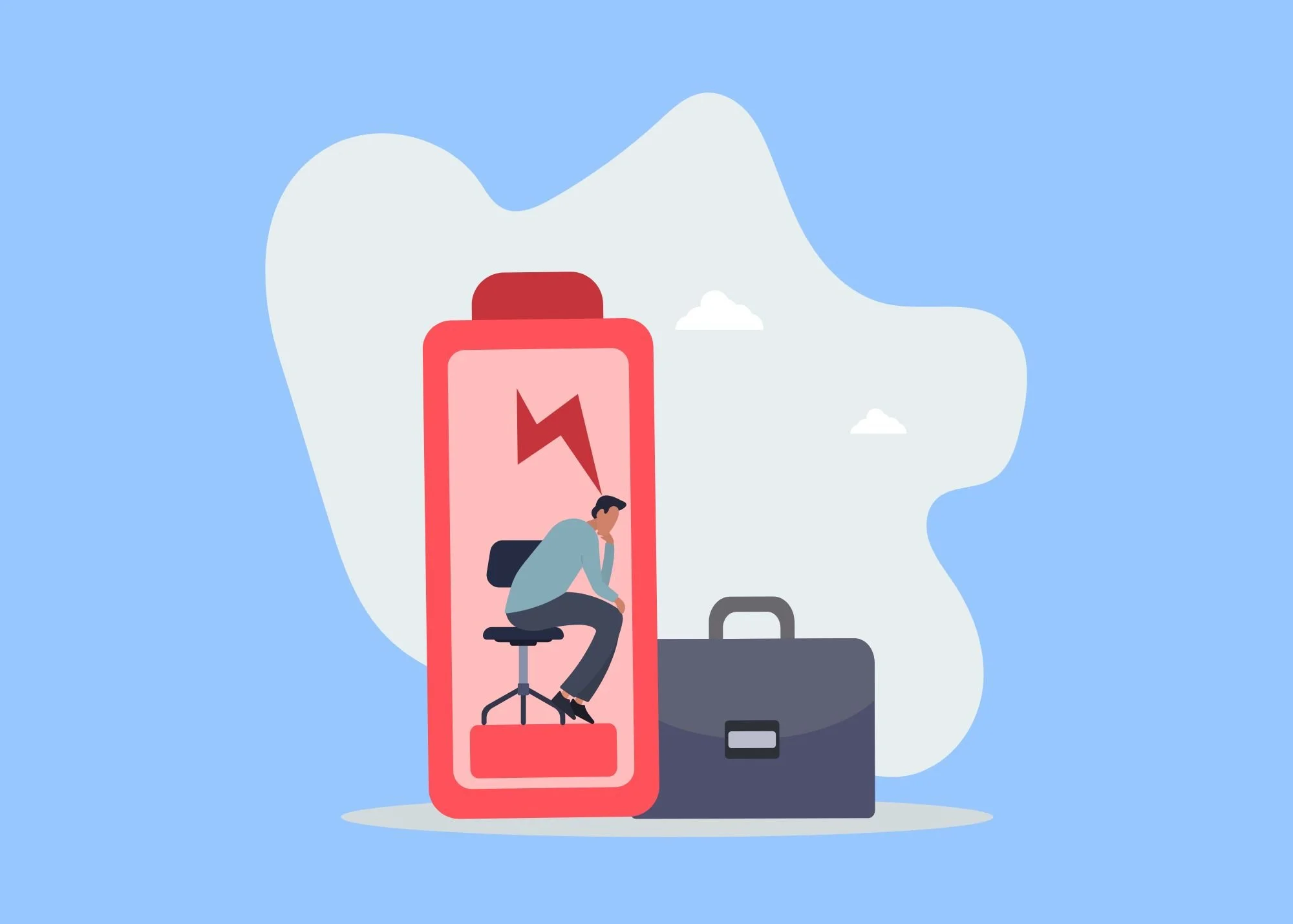
Burnout is not a lazy person’s problem. It often affects highly motivated individuals who start off strong, eager to hit goals and do a job well done.
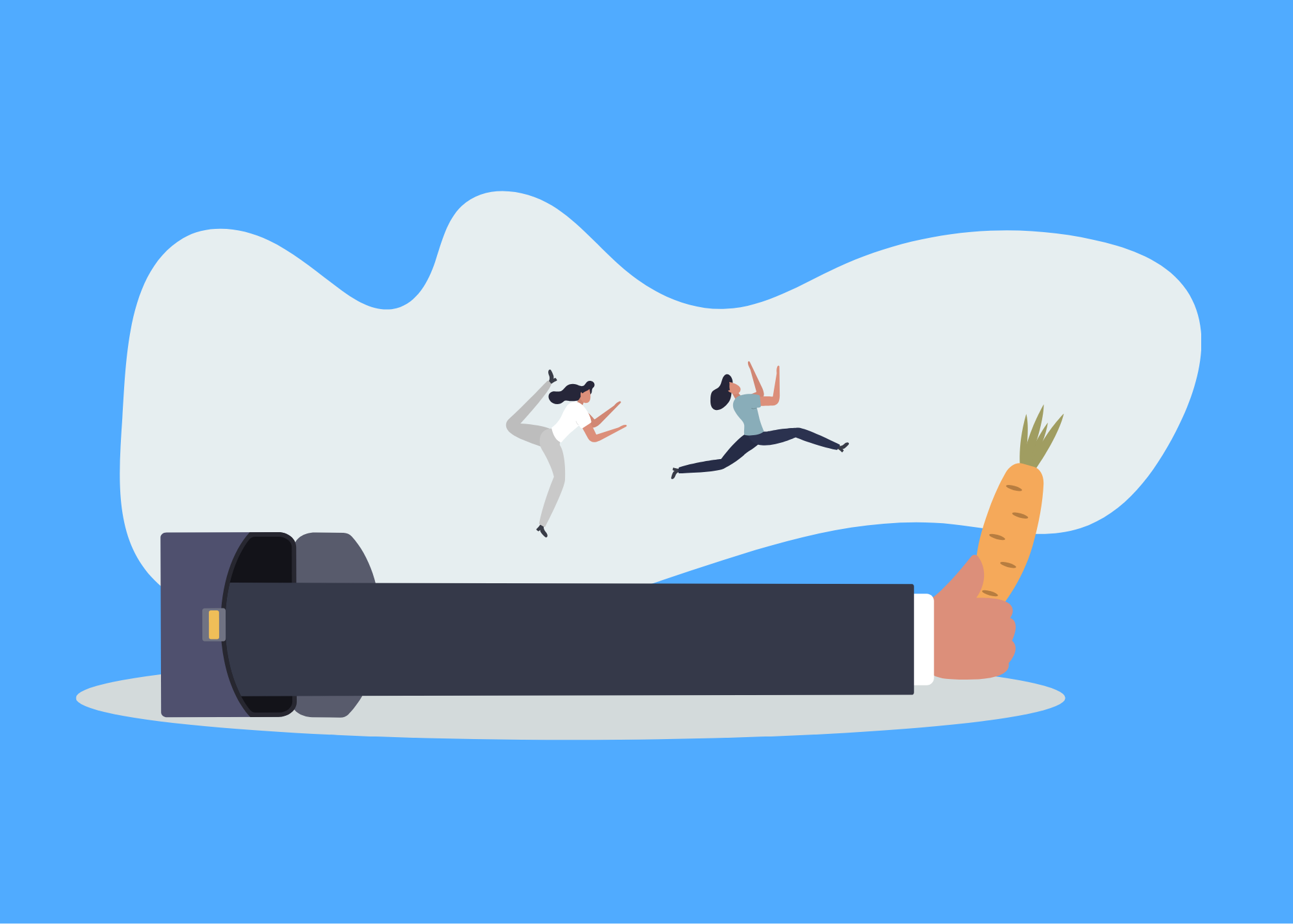
These individuals often go the extra mile to accelerate progress, work overtime to ensure all tasks are completed, maintain constant vigilance over emails to respond promptly, and master their core responsibilities with such efficiency that leaders often delegate them extra assignments to help pick up the slack in other areas.
However, this dedication is often met with moving targets, disproportionate workloads, lack of boundaries, and an unsustainable pace.
A coach can help you recover from burnout and develop strategies to achieve personal and professional goals without falling back into the burnout cycle.
↓ WHAT CHRONIC STRESS LOOKS LIKE ↓
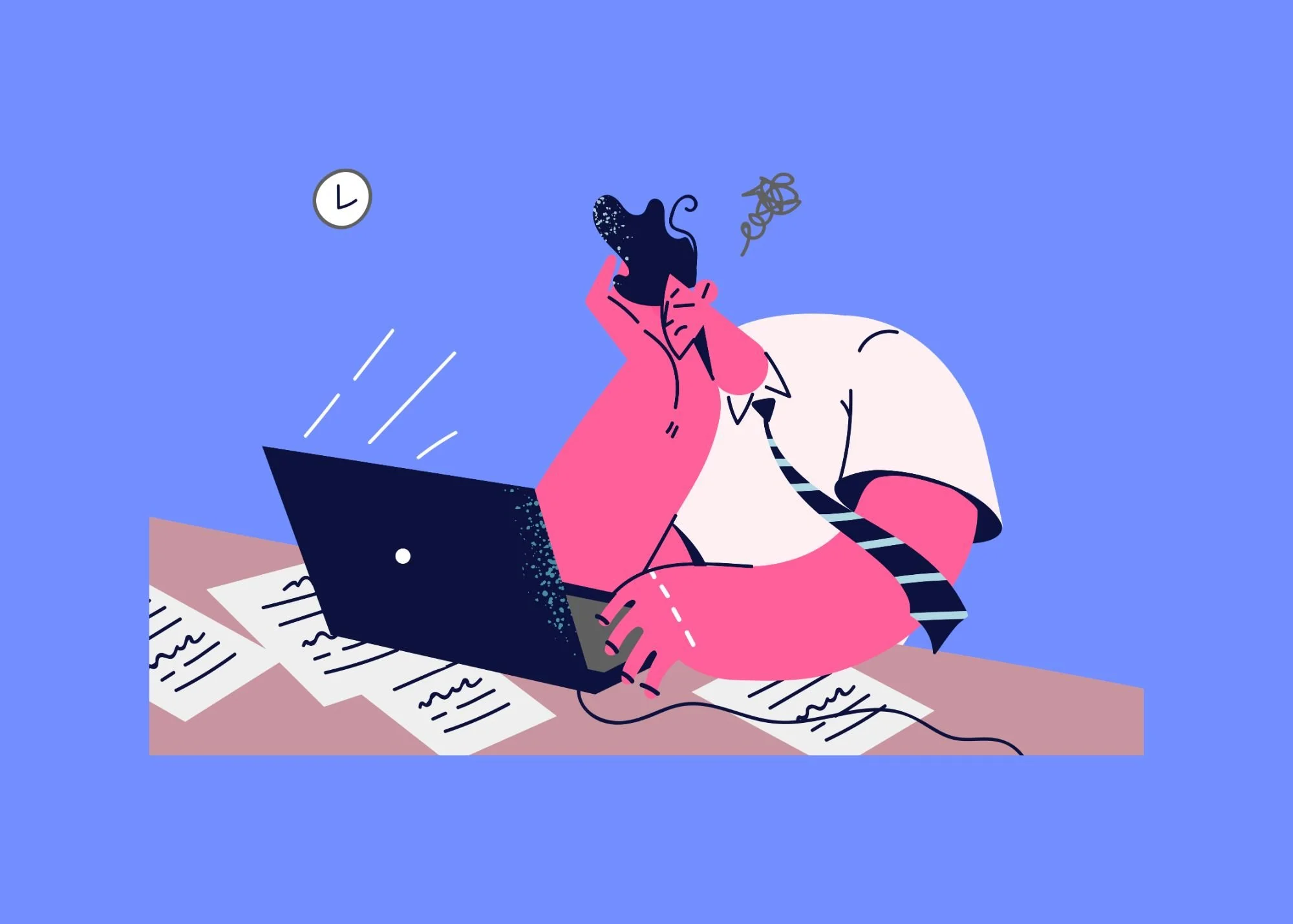
Chronic stress occurs when you’re asked to do too much, with too little, for too long
What chronic stress & burnout may look like:
You’re stuck in survival mode, feeling like there's no escape.
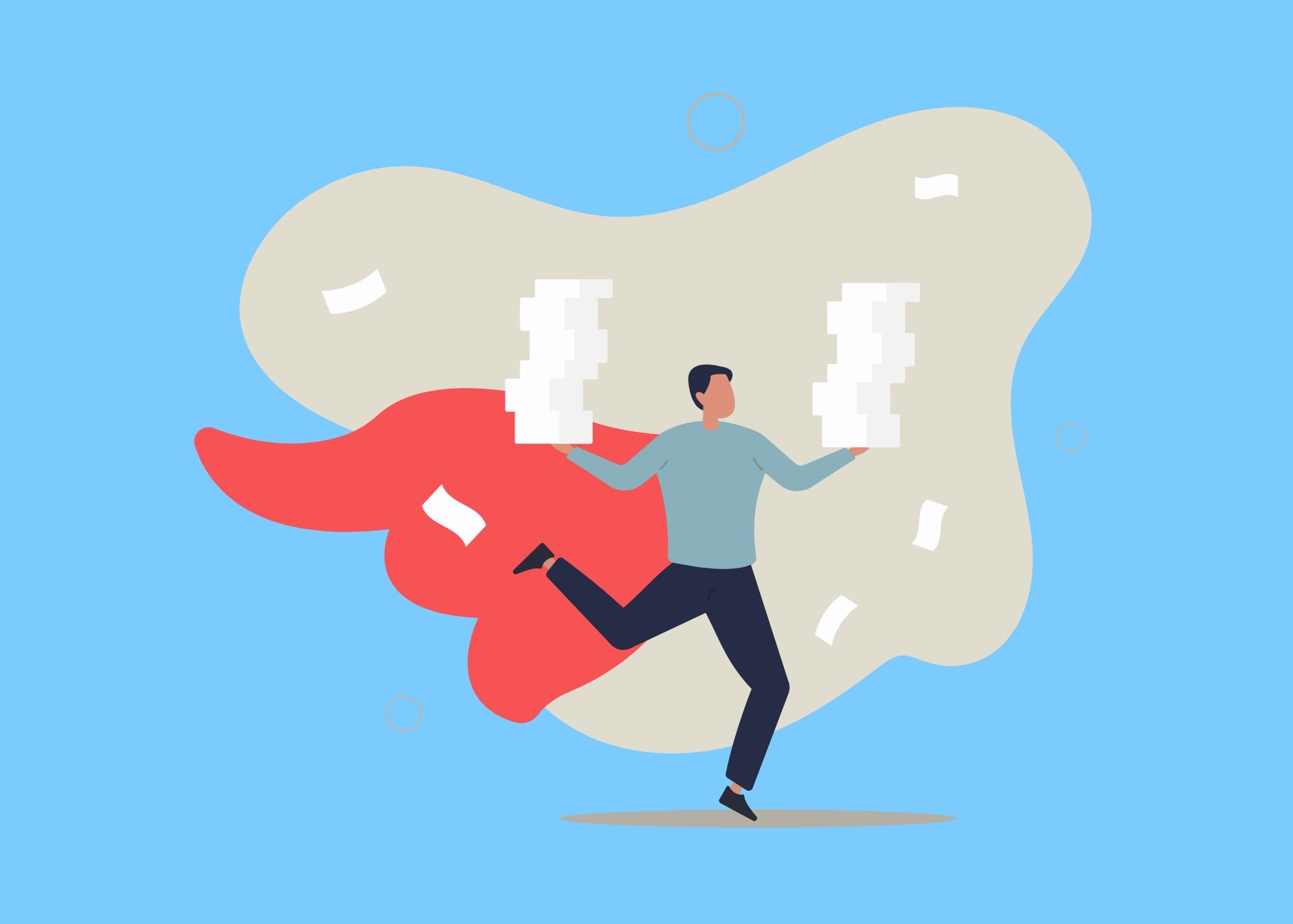
You’re the go-to person for everything, making it hard to rest or take time for yourself (what if they need you?).
You’re frequently exhausted, anxious, and sleep-deprived from your endless obligations.
You push yourself to the point of burnout, often working until you’re completely drained.
You feel stressed, frustrated, or even hopeless when you’re not achieving or checking off tasks.
You struggle to set boundaries, never feeling like you’ve done enough.
You can’t shut off work—even at night, at 3:00 am, when you’re off, or on vacation.
You wrestle with perfectionism, people-pleasing, or the inability to say no.
You seem to have it all together, but inside, you’re running on empty, completely drained.
While some good stress is good for us, too much bad stress can negatively impact us mentally and physically.
What Burnout Really Looks Like
Burnout isn't just feeling tired.
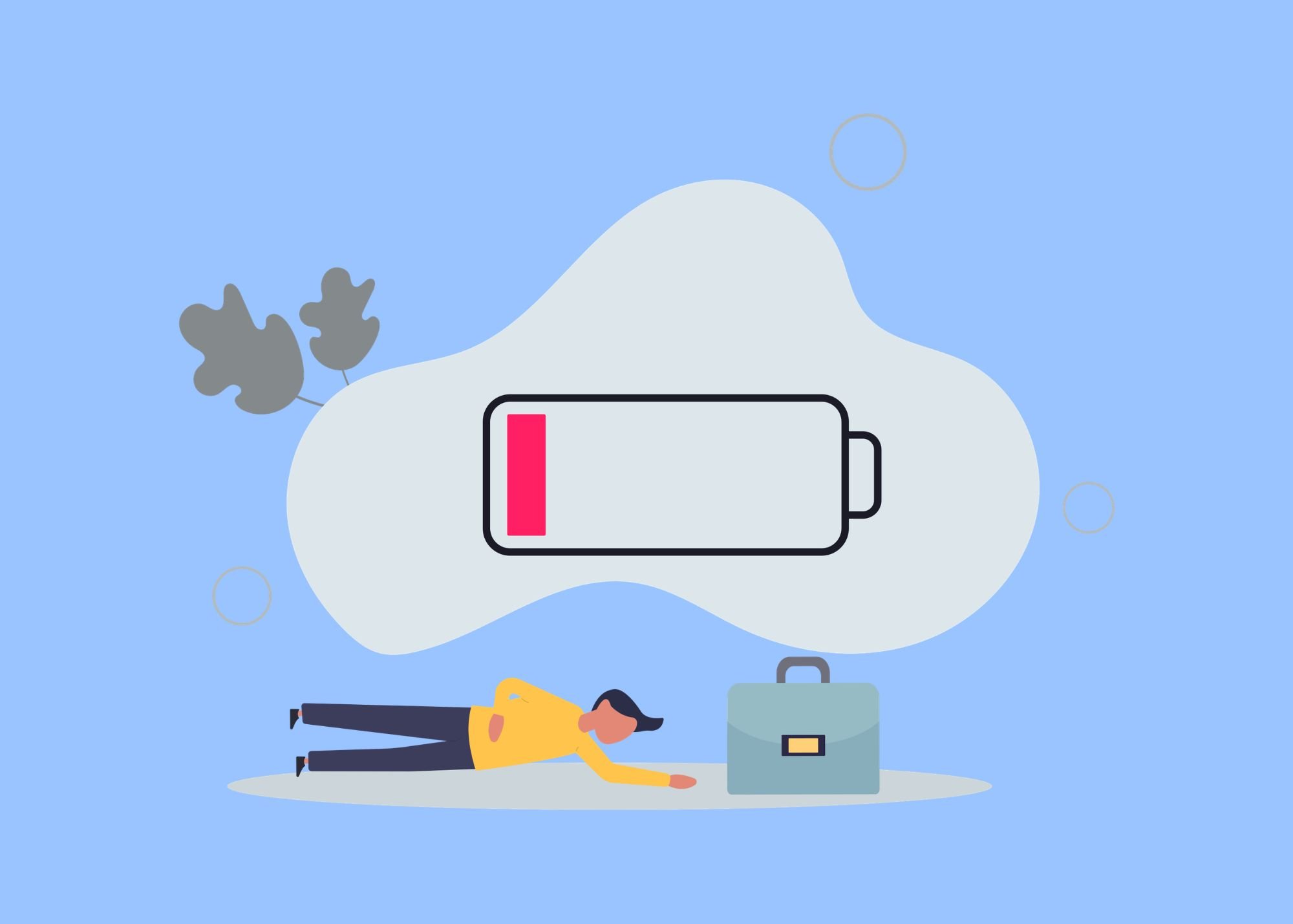
Burnout is the final stage of chronic stress.
It’s not just about being tired or overworked—it’s a state of emotional, physical, and mental exhaustion combined with cynicism and reduced efficacy.
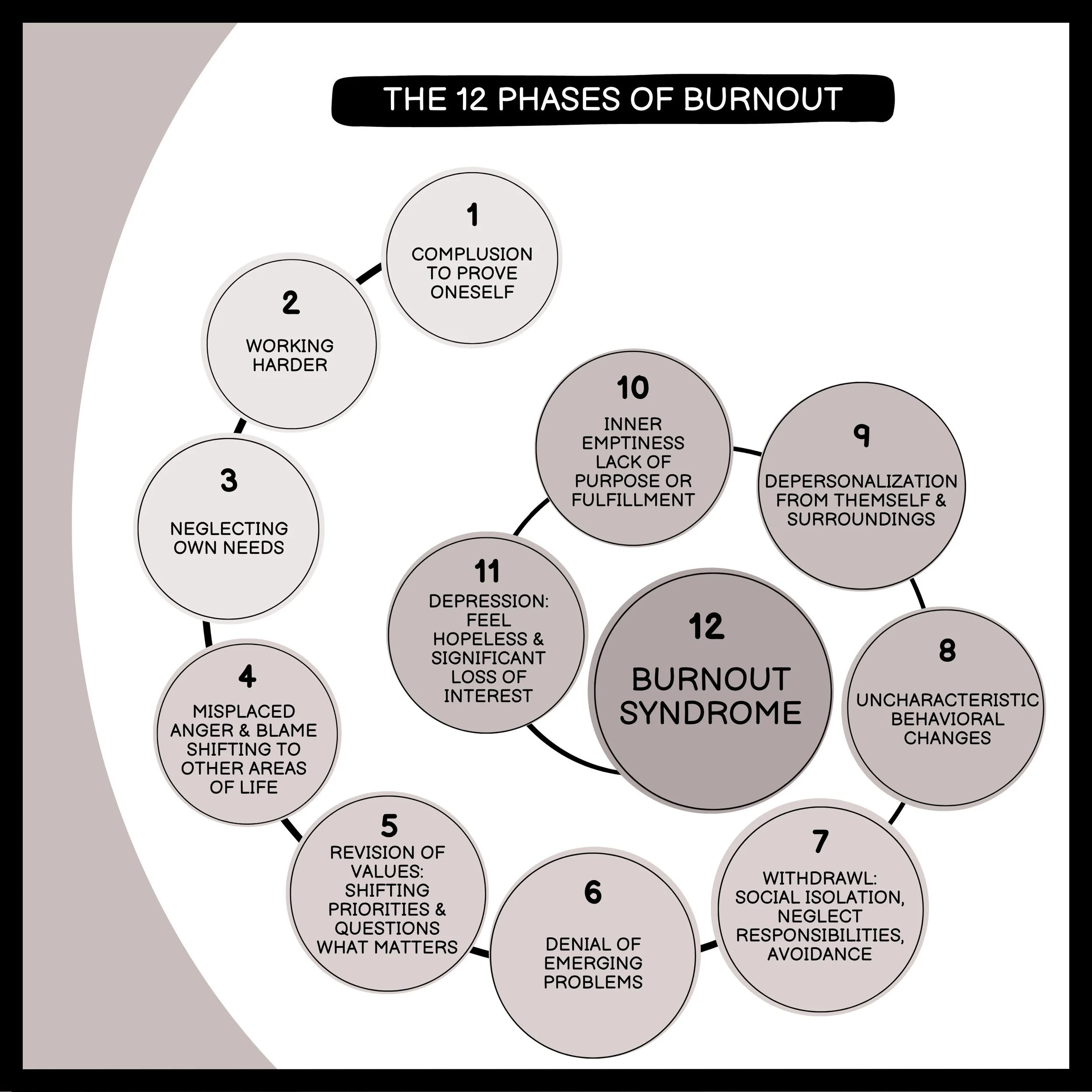
The 12 Stages of Burnout
Burnout doesn’t happen overnight. It develops in stages, as outlined by psychologists Herbert Freudenberger and Gail North:
Excessive ambition: Overcommitting to tasks and responsibilities.
Pushing harder: Feeling the need to prove yourself.
Neglecting needs: Skipping meals, sleep, or social interactions.
Displacement of conflicts: Denying problems or blaming others.
No time for non-work needs: Losing touch with hobbies or relationships.
Denial: Viewing stress as normal and ignoring warning signs.
Withdrawal: Pulling away from loved ones and interests.
Behavioral changes: Becoming irritable, cynical, or disillusioned.
Depersonalization: Feeling detached or numb.
Inner emptiness: Using unhealthy coping mechanisms like overeating or substance use.
Depression: Feeling hopeless and losing the will to engage.
Burnout syndrome: Total physical and emotional collapse, often requiring professional intervention.
How chronic stress affects the body and your health
The long term effects of chronic stress can impact us in physical ways ranging from persistent symptoms to serious health risks as our bodies cope from the distress:
fatigue
anxiety
stomach issues
exhaustion
poor immunity
headaches
migraines
weight gain
sleep disruption
chronic pain
high blood pressure
heart disease
susceptibility to cancer
stroke
type 2 diabetes
Don’t let your current stress jeopardize your future health. If you’re experiencing any of these symptoms, it’s time to seek support for your health and wellness.
↓ RECOVERY FROM CHRONIC STRESS ↓
The Recovery Roadmap
-
Physiological Recovery
Stabilize your body.
Recharge the body. Focus on outsourcing responsibilities, minimizing output, and meeting basic physical needs.
-
Psychological Recovery
Calm the mind.
Recharge the mind. Minimal resumption of duties via management. Focus on building psychological and mental resources.
-
Behavioral Recovery
Build better habits.
Evaluate priorities. Align values and priorities with your actions. Expand external resources and support. Re-establish positive and fulfilling connections.
-
Environmental Recovery
Change the system.
Preventative boundaries. Resume duties with a focus on balance. Prioritize what matters most. Learn to delegate. Limit exposure to stress. Learn to say no.
-
Sustainable Performance
Thrive again.
Sustainability solutions. Focus on supportive processes and systems. Awareness. Continue to prioritize personal fulfillments and rest.
Beat chronic stress & burnout. Get back in the game. Here’s how you can get started:
ONE-ON-ONE COACHING
Stress & Burnout Recovery Coaching


Whether you're dealing with chronic stress, burnout, or need guidance on managing stress, our personalized programs help you reclaim your well-being without feeling overwhelmed.
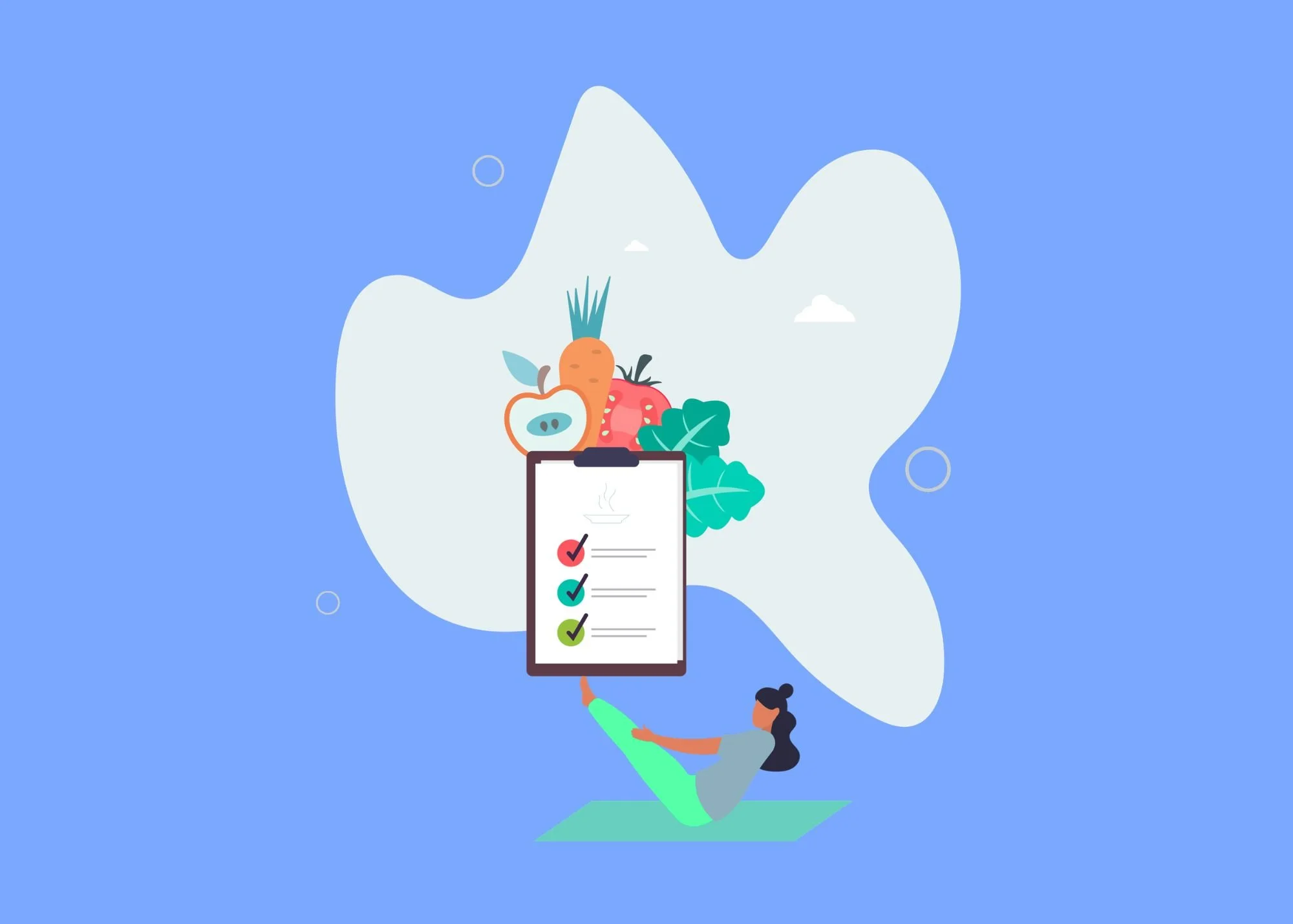
Work directly with a NBC-HWC board certified health coach to design a stress management plan that fits your lifestyle and professional demands. Together, we’ll integrate practical, evidence-based tools such as mindfulness, exercise, recovery practices, and targeted lifestyle adjustments. Our approach addresses both physiological and psychological recovery, helping you rebuild your energy and emotional resilience.
Each program emphasizes balance and sustainability. We help you evaluate your priorities, establish preventative boundaries, and optimize your work for wellness. By integrating stress management techniques with practical strategies, we help you reduce anxiety, boost energy, and build lasting resilience.
Transform your health and well-being with a plan that complements, not complicates, your life. Recover from burnout and develop strategies that support your long-term health and career without leading you back into burnout.
Featured Stress & Burnout Articles