Trying to Improve Your Health? Alcohol May Be the First Variable to Examine
Let's start with an honest observation: if you're between 35 and 60, professionally accomplished, and carrying the particular brand of stress that comes with leading teams, managing high stakes, and running the kind of life that doesn't slow down, there's a reasonable chance that alcohol has become less of a social activity and more of a nightly ritual. A glass of wine to decompress. A whiskey to signal that the work day is over. A scotch because you've worked hard enough to deserve the good stuff.
Consuming alcohol regularly is a pattern worth examining. I know, it feels like a judgement. Feelings aside, the data speaks for itself. The research on what alcohol actually does to the stressed, sleep-deprived, metabolically taxed high-achieving body is significantly less favorable than the ritual feels.
Many of the professionals I work with are investing significant time, energy, and money into improving their health after feeling chronically stress and burned out for a significant amount of time. They're exercising consistently. They're trying to eat better. They're prioritizing protein, tracking steps, buying wearables, listening to health podcasts, and searching for ways to improve their sleep and manage chronic stress.
Yet one of the biggest influences on their health often goes largely unquestioned: alcohol.
This isn't a conversation about morality, willpower, or whether drinking is "good" or "bad.”
It's a conversation about goals, lifestyle, and health span alignment. If you have specific goals like better sleep, more energy, lower stress, improved body composition, burnout recovery, healthy aging, or peak performance, it's worth understanding how alcohol affects those outcomes.
For many high-achieving professionals, alcohol doesn’t create an immediate problem in the short term but rather subtle compounding costs add up over time.
Why This Conversation Matters More After 40
One reason alcohol deserves a closer look is because the health equation changes as we get older.
Recovery takes longer. Sleep becomes more valuable. Muscle mass naturally declines. Stress responsibilities increase. Most people are balancing demanding careers, aging parents, children, relationships, and financial obligations all at the same time.
In your twenties, you can often get away with habits that become much more noticeable in your forties and fifties.
The glass of wine that barely affected you ten years ago may now be contributing to disrupted sleep, slower recovery, increased abdominal fat, higher stress levels, and reduced energy the following day.
The challenge is that these effects often happen gradually enough that they become normalized. People assume they are simply getting older. In reality, some of what they are experiencing may be lifestyle-related and far more changeable than they realize.
The Stress-Alcohol Loop Nobody Talks About Honestly
Many people view stress and alcohol as separate issues. They're not. In fact, they often reinforce each other.
Alcohol and chronic stress are a system and the way they interact is almost perfectly designed to make both worse. When you're under chronic stress, your body is already working harder than it should. Elevated stress hormones, increased nervous system activation, poor sleep quality, and emotional exhaustion become part of daily life.
Alcohol often enters the picture as a way to unwind. And initially, it feels effective: you feel calmer, the edge comes off, and your mind slows down. The problem is that while alcohol can temporarily reduce the perception of stress, it doesn't actually improve your body's ability to recover from it.
In many cases, it makes recovery harder. Alcohol can elevate cortisol, disrupt sleep quality, impair recovery, and reduce your ability to regulate stress effectively the next day.
As a result, many professionals find themselves stuck in a cycle that looks something like this:
Chronic stress increases
Alcohol provides temporary relief
Sleep quality declines
Recovery suffers
Energy and resilience decrease
Stress feels even harder to manage
Alcohol becomes more appealing
The very thing being used to manage stress quietly contributes to maintaining it. You are not unwinding with that drink. You are adding fuel to the exact fire you're trying to put out.
Alcohol and Sleep: Why Falling Asleep Faster Isn't the Same as Sleep Better
The single most common thing people say in defense of their evening drink is some version of: "It helps me sleep."
What they usually mean is: "I fall asleep faster."
Those are not the same thing. Alcohol acts as a sedative, which can shorten the time it takes to fall asleep. Unfortunately, that's only part of the story. As alcohol is metabolized throughout the night, it disrupts sleep architecture, particularly REM sleep. This is a big deal because REM sleep is crucial for our health and wellness.
REM sleep is one of the most important stages of sleep for:
Learning and memory
Emotional regulation
Cognitive performanc
Stress resilience
Mental recovery
This means you may spend eight hours in bed but still wake up feeling less restored than you should.
Many people don't recognize alcohol as the cause because the effects are subtle. They simply notice they feel more fatigued, brain fog, have less patience, lower motivation, or are distracted and feel unable to focus. These symptoms are frequently brushed off as related to age, workload, or a lack of discipline. The reality is that poor recovery often starts the night before.
While alcohol may help you fall asleep faster. The truth is your sleep quality is worse. You wake up less restored than you think you are and then you reach for the coffee, and eventually, the next evening's drink to compensate for the stress.
Why Alcohol and Burnout Recovery Don't Mix
This is especially important for anyone actively recovering from chronic stress or burnout.
One of the biggest misconceptions about burnout recovery is that feeling better and recovering are the same thing. They're not. Alcohol often creates the feeling of relief, but relief isn’t recovery. Recovery occurs when your nervous system has an opportunity to regulate, restore, and rebuild. That process depends on high-quality sleep, healthy nutrition, physical activity, emotional regulation, and consistent recovery practices.
Alcohol can temporarily numb stress, however, it doesn't address the physiological burden underneath it.
In many cases, it adds to it. If you're actively working to recover from burnout, improve resilience, and regain energy, alcohol is often working against the very systems you're trying to restore.
The Weight You Can't Seem to Lose
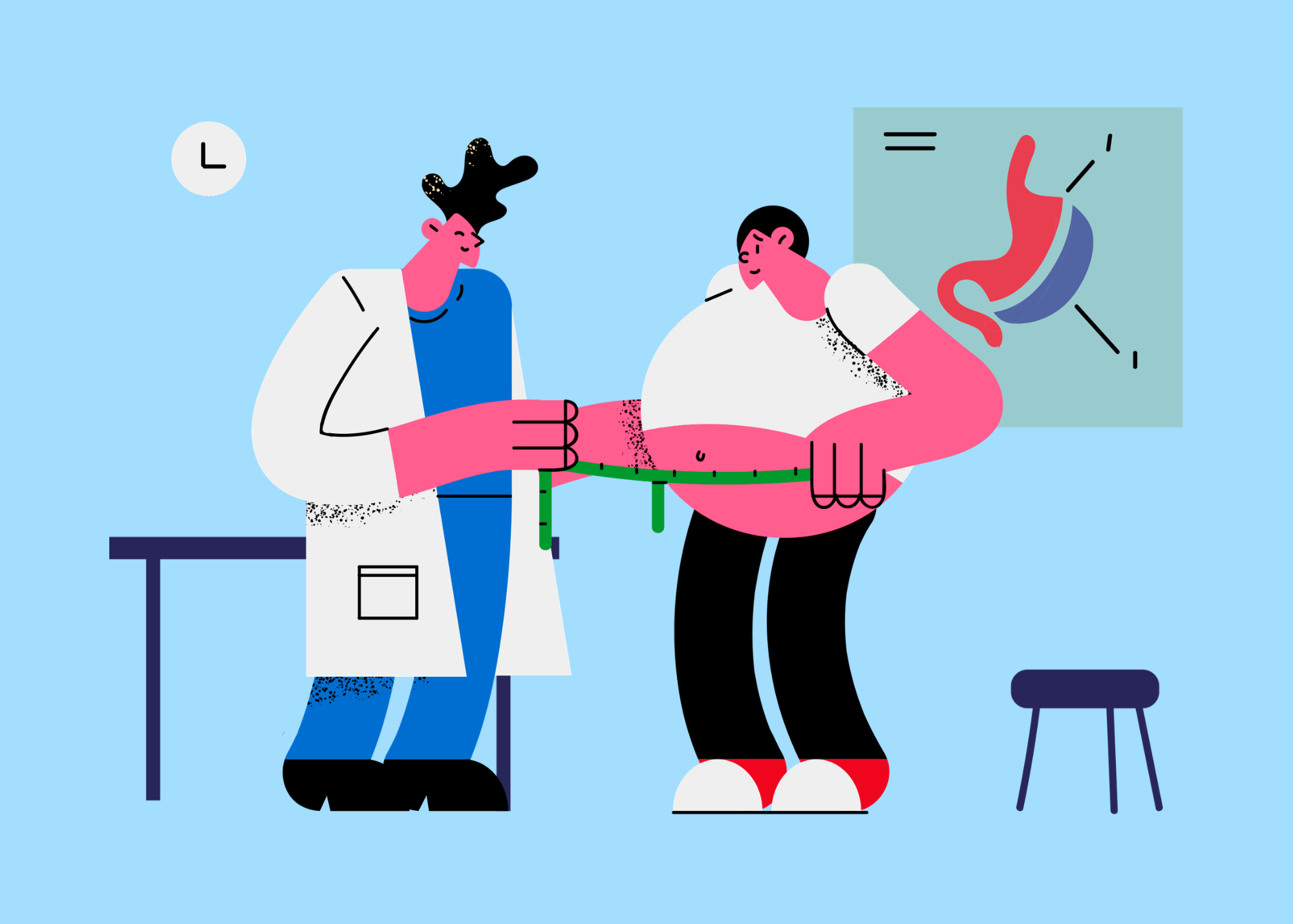
Now let’s talk about alcohol and body composition. If fat loss is one of your goals, alcohol deserves an honest evaluation.
Alcohol has 7 calories per gram. It contains no essential nutrients. And unlike protein, carbohydrates, and fat — which your body processes in service of some biological function — alcohol is treated by your body as a toxin to be eliminated first. While your liver is busy metabolizing the alcohol, fat oxidation stops. Fat burning pauses. Whatever else you ate that evening gets stored rather than used.
The glass of wine with dinner isn't just its own calories. It's also the mechanism that ensures the calories from dinner are more likely to be stored as fat. This is why alcohol's impact on body composition is rarely limited to the drink itself.
Add to this the cortisol connection: elevated cortisol caused by regular alcohol consumption specifically increases abdominal fat storage known as visceral fat, the metabolically active variety that surrounds your organs, elevates inflammation, drives insulin resistance, and is most strongly associated with cardiovascular disease risk.
And add one more variable that a tough truth: alcohol lowers your inhibitions around food choices. The person who ate clean all day, tracked their macros, and skipped the bread basket at lunch, that same person at 10pm after two glasses of wine is significantly more likely to eat the cheese, the crackers, and the thing they wouldn't have touched sober. Research consistently documents alcohol's appetite-stimulating effects. You don't just get the alcohol calories, you get the disinhibited eating that follows.
For someone genuinely trying to lose weight, reduce visceral fat, and reclaim their body composition, regular alcohol is one of the highest-leverage variables to address. Not the only one. But a significant one that most people are not being told directly how much it is affecting their body composition.
So here it is directly: if you're exercising consistently, eating reasonably well, managing your sleep, and still not making the body composition progress you expect — look at the alcohol. Analytically. It may be the variable working against you and sabotaging your health goals.
The Daily Performance Tax You're Paying
Beyond body composition, beyond sleep quality, and beyond the cortisol spiral, there is a daily performance cost to regular alcohol consumption.
Many high achievers are willing to tolerate a surprising amount of discomfort because they assume it's normal. The morning sluggishness. The afternoon brain fog. The inconsistent focus. The shorter fuse. The reduced motivation. The feeling that you're operating at 80 percent instead of 100 percent.
The cognitive effects of elevated cortisol associated with regular alcohol consumption include memory impairment, sleep disturbances, and compromised immunity with long-term chronic drinking associated with significant structural changes in brain areas involved in stress, memory, and cognitive control.
This is the cumulative, normalized daily cost of a few drinks several nights a week landing on an already stressed, already cortisol-elevated, already sleep-compromised system. The tax is real. Most people just never do the accounting because it arrives gradually and gets attributed to age, or workload, or just how things are now.
This is not how things have to be.
A Note on Moderation: A More Balanced Perspective
This article isn’t telling you to never drink. It's telling you to be honest about what regular drinking is doing to specific goals you say you have.
If you're genuinely not trying to lose weight, your sleep is excellent, your stress is managed, your cortisol is regulated, and two glasses of wine three times a week brings genuine pleasure and social connection… that's a reasonable human choice. Nobody is here to take your Barolo.
But if you are trying to reclaim your health after a period of burnout, actively working to lose weight, trying to improve your sleep quality, managing chronic stress, and making real investments in your training and nutrition, then the two glasses of wine three times a week are working against every one of those goals simultaneously.
Cumulatively, every week, in ways that compound.
The only question that matters is this: What are your current health goals, and is your current relationship with alcohol aligned with them or in conflict with them? That's the only question. And most people, if they answer it honestly, already know the answer.
A 30 to 90 Day Sober Curious Experiment Worth Trying
You don't need to make a lifelong commitment to sobriety. You don’t have to give up drinking forever.
Instead, try removing alcohol for 30 to 90 days and observe what changes.
Pay attention to:
Sleep quality
Morning energy
Mood
Stress resilience
Recovery from exercise
Cravings
Body composition
Mental clarity
Many people are surprised by the results. They never realized how much better they could feel without drinking.
The Practical Path Forward
If you’re serious about achieving your health and wellness goals, let’s be direct about the practical path forward.
If fat loss is a current goal: Alcohol is the variable most worth minimizing because it halts fat oxidation, elevates cortisol, promotes abdominal fat storage, and disinhibits eating. Even reducing from four nights a week to one produces measurable metabolic benefit over weeks. Start there.
If sleep quality is a current goal: Eliminate alcohol within three to four hours of bedtime as a baseline experiment. Do it for two weeks and measure what happens to how you feel in the morning. Most people who try this are genuinely surprised by the difference, which tells them something important about how much the evening drink was impacting their sleep.
If stress and burnout recovery are current goals: Recognize the cortisol loop for what it is and address it directly. Alcohol is not a stress management tool. It is a stress amplifier with a temporarily convincing sedative effect. The tools that actually work are movement, sleep, nutrition, regulated nervous systems, and community. Alcohol does not belong on that list.
If you simply enjoy it and your health is genuinely in good shape: Keep it moderate, intentional, and honest. Two to four drinks per week maximum, on no more than two days. Track it. If progress plateaus anywhere that matters to you like body composition, sleep, or cognitive performance, the alcohol is the first variable to experiment with removing.
Final Thoughts
Minimizing or eliminating alcohol, even for 90 days, is one of the highest-leverage single changes a high performer can make when they are serious about reclaiming their health. When the goals are fat loss, better sleep, lower stress, and sharper performance, reducing alcohol is one of the most impactful changes you can make.
Regular alcohol elevates the cortisol you're already drowning in. It dismantles the REM sleep your brain needs to recover. It stalls the fat loss you're working toward. It does all of this incrementally, in ways that are easy to normalize, and nearly impossible to attribute correctly until you remove it and actually feel the difference.
That doesn't mean you can never enjoy a glass of wine, a craft cocktail, or a celebratory toast.
It simply means understanding the tradeoffs.
Article References
The sources cited in the article:
Precision Nutrition (PN). "All About Alcoholic Beverages” PN - All about alcoholic beverages
National Institute of Health (NIH). “Influence of Stress Associated with Chronic Alcohol Exposure” Harvard - How much protein do you need?
healthline. “Drinking Can Raise Your Risk of These 20 Conditions.” healthline - Drinking can raise your risk of these 20 conditions
American Heart Association (AHA). “Is Drinking Alcohol Part of a Healthy Lifestyle?” AHA - Is drinking alcohol part of a healthy lifestyle?
Forbes. “What the Latest Research Tells Us About Alcohol and Health.” Forbes - What the latest research tells us about alcohol and health