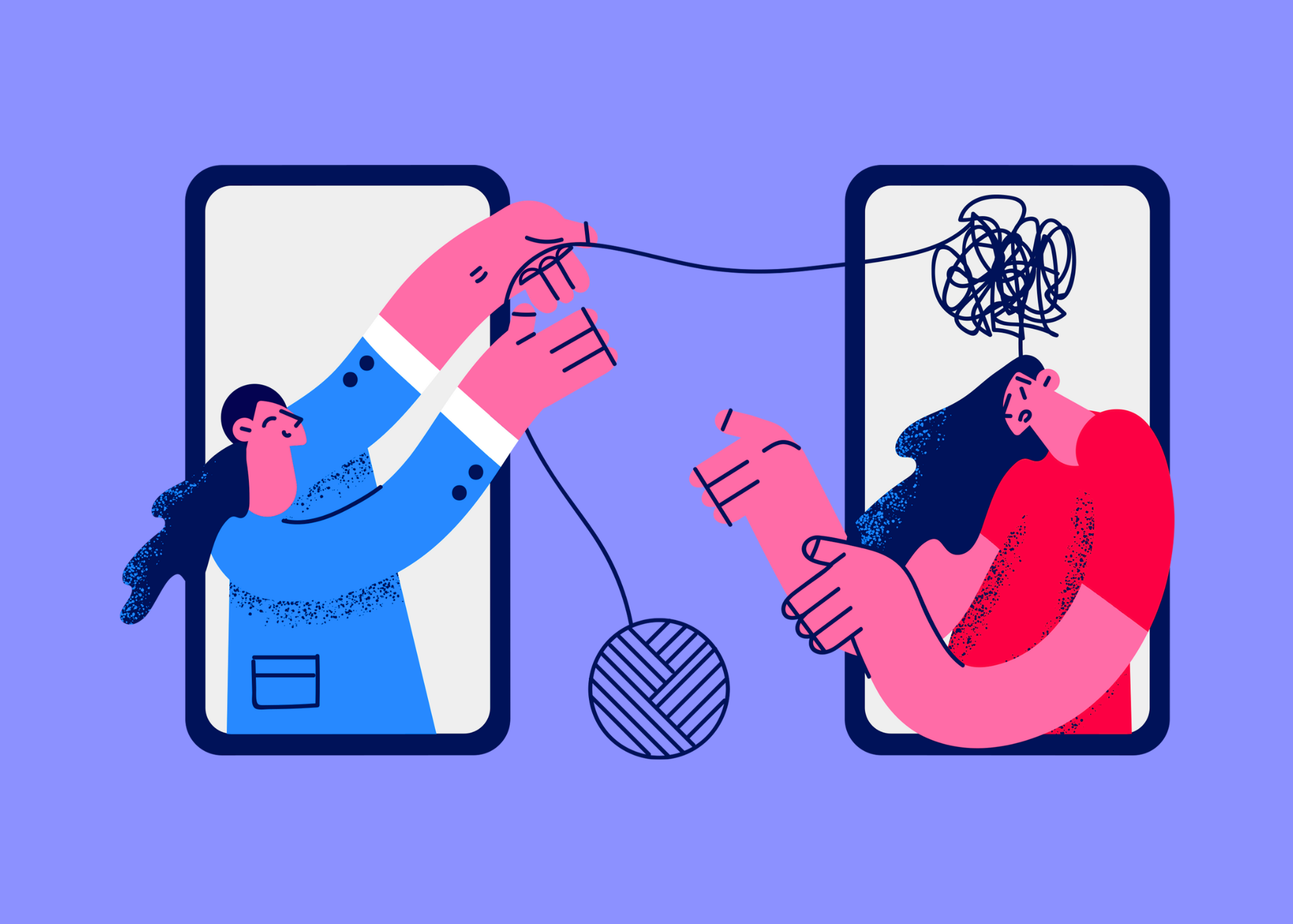
Motivational Interviewing: Ask Better Questions Instead of Giving Better Advice
Why the best leaders, coaches, therapists, and partners ask better questions instead of giving better advice. Most people think communication is about saying the right thing. It isn't. People rarely change because someone told them to. In fact, the harder you push, the harder they often resist. This is where Motivational Interviewing comes in.
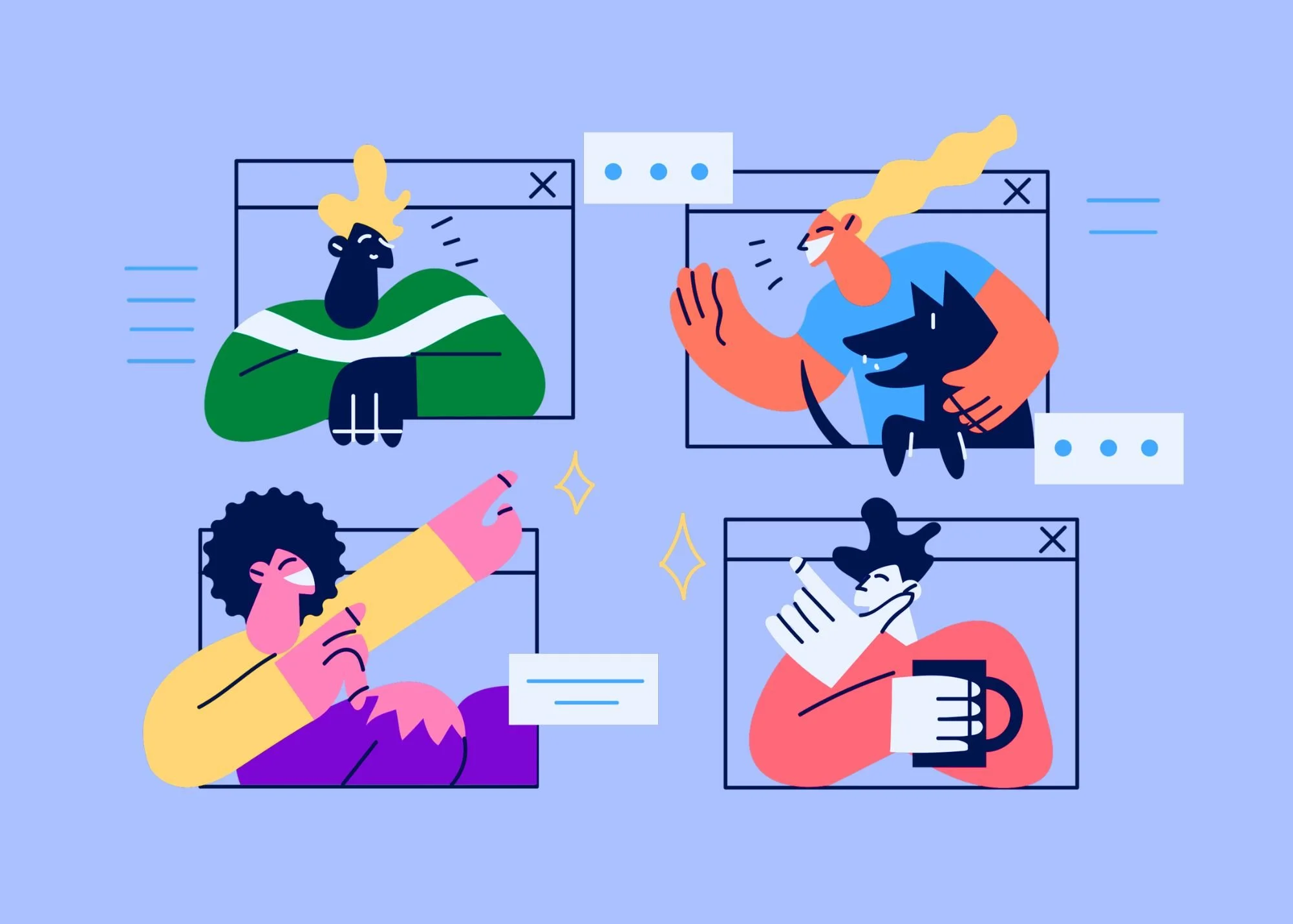
Just Send the Text: 10 Ways to Reconnect With the Friends You Miss Most
The people who matter most to you would love to see you no matter how long it’s been. Text them. Here are ten ways to make it happen ranging from low-commitment to genuinely memorable, all designed for people with full lives who need a great excuse to show up for the ones they love.
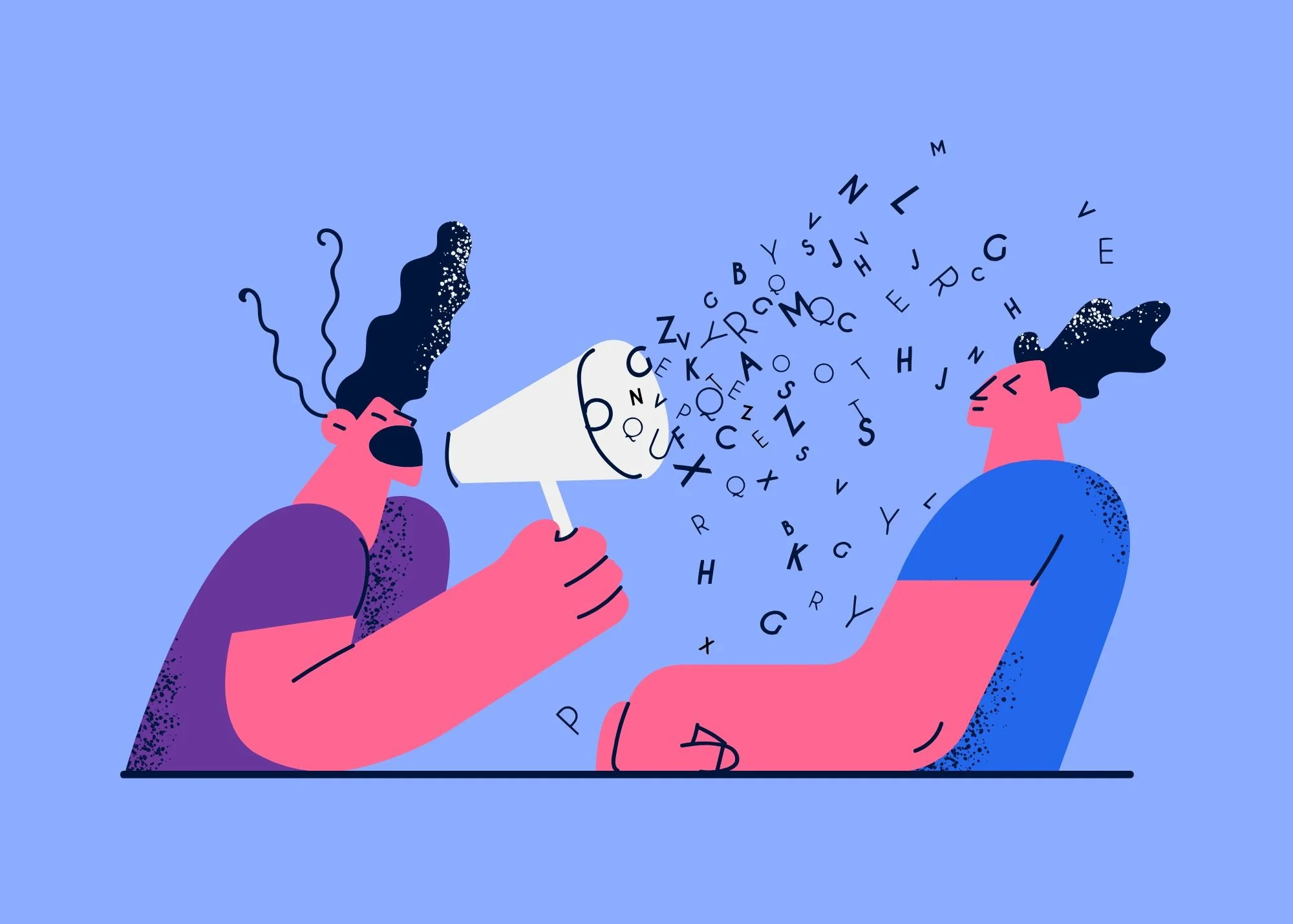
Conversational Reciprocity vs Conversational Narcissism: Do You Always Make Conversations About You?
Monologuing, info-dumping, and hijacking conversations to share your own story isn't connection. It's the reason people stop calling. The irony: the most exhausting person in any room is usually the one trying hardest to be heard.

Burnt Out and Isolated? How to Find Community and Mentorship When You’re Running on Fumes
Nobody thrives in isolation. Even the most independent, high-performing professionals eventually hit a wall when they feel unsupported, disconnected, or just plain invisible. Let’s break down how to find community and mentorship—even when you’re exhausted, disengaged, or quietly recovering from a toxic work environment.
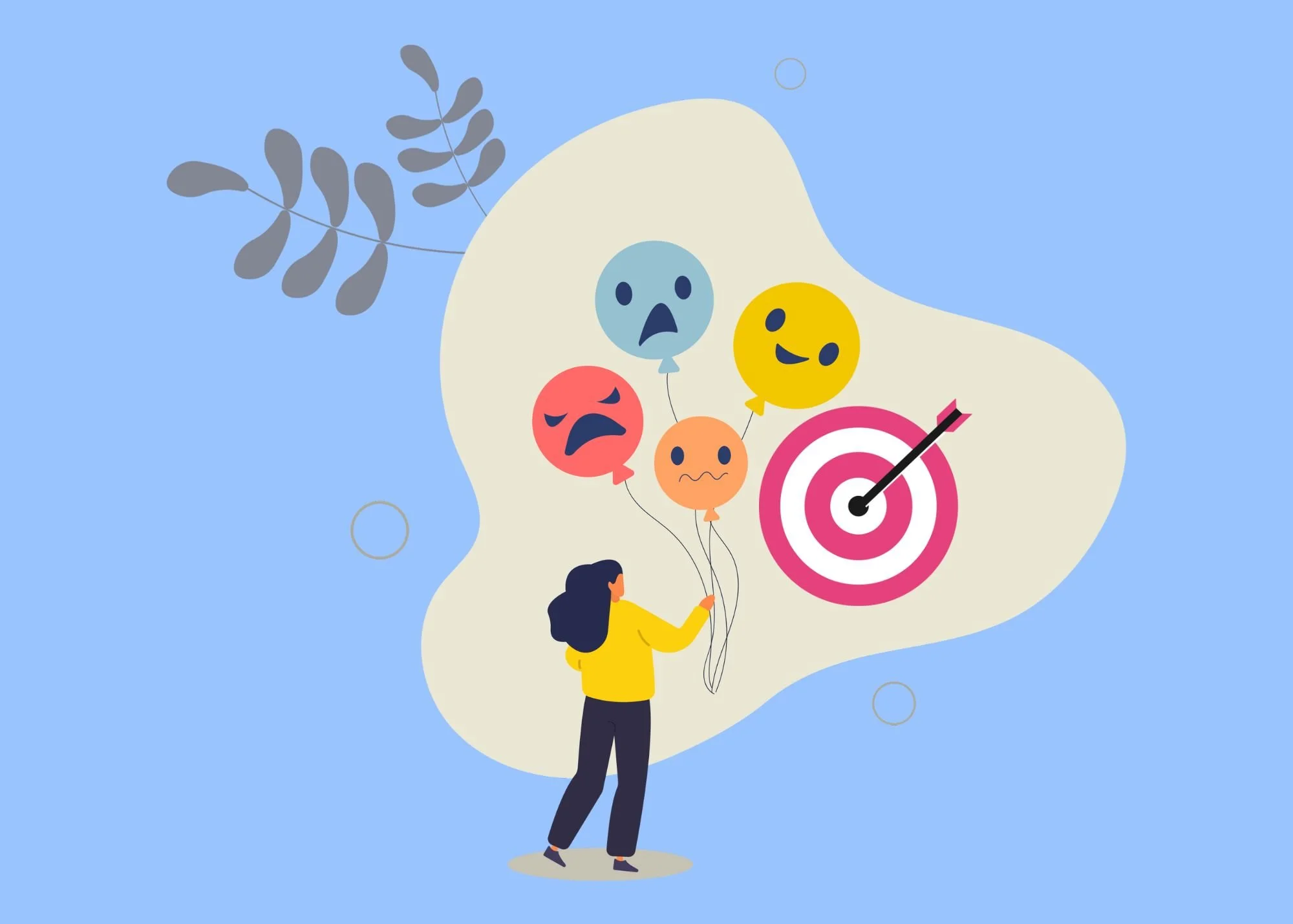
Protecting Your Bandwidth: How High Achievers Can Navigate Emotionally Needy Relationships Without Losing Their Peace
You’re a high achiever, wired for performance, and burnout is always lurking around the corner. Then—bam—someone close to you has a meltdown. A partner, a friend, a colleague. Tears, panic, emotional spirals. And suddenly you’re derailed, wondering how their emotional hurricane became your crisis.
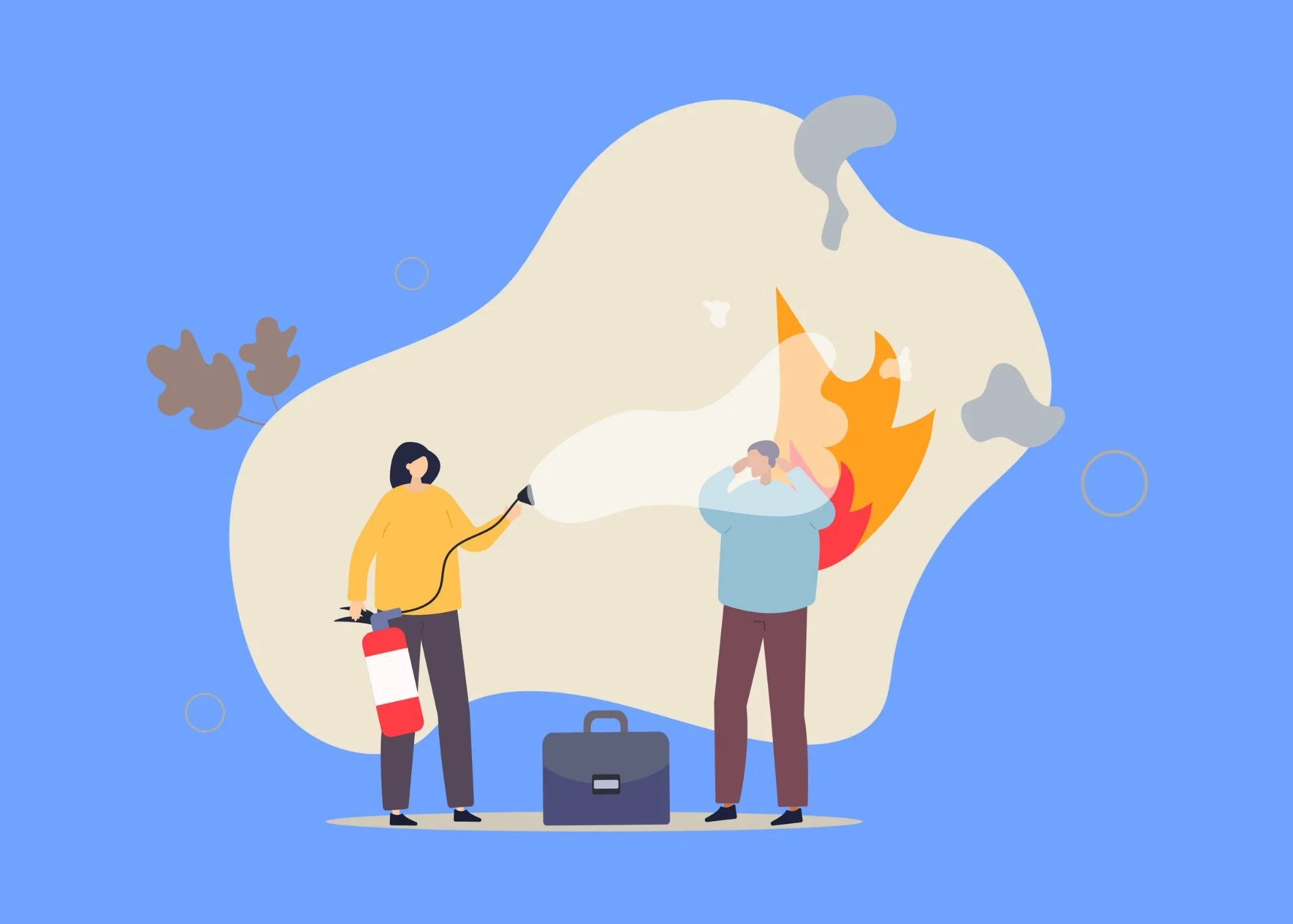
Someone Else’s Breakdown Does Not Have to Become Your Burnout
When the people closest to us—personally or professionally—are spiraling, having a breakdown, or deep in burnout, it is possible to offer safety, empathy, and space without turning yourself into their emotional janitor. In fact, it’s necessary because the moment you start over-functioning for someone else, you under-function for yourself.
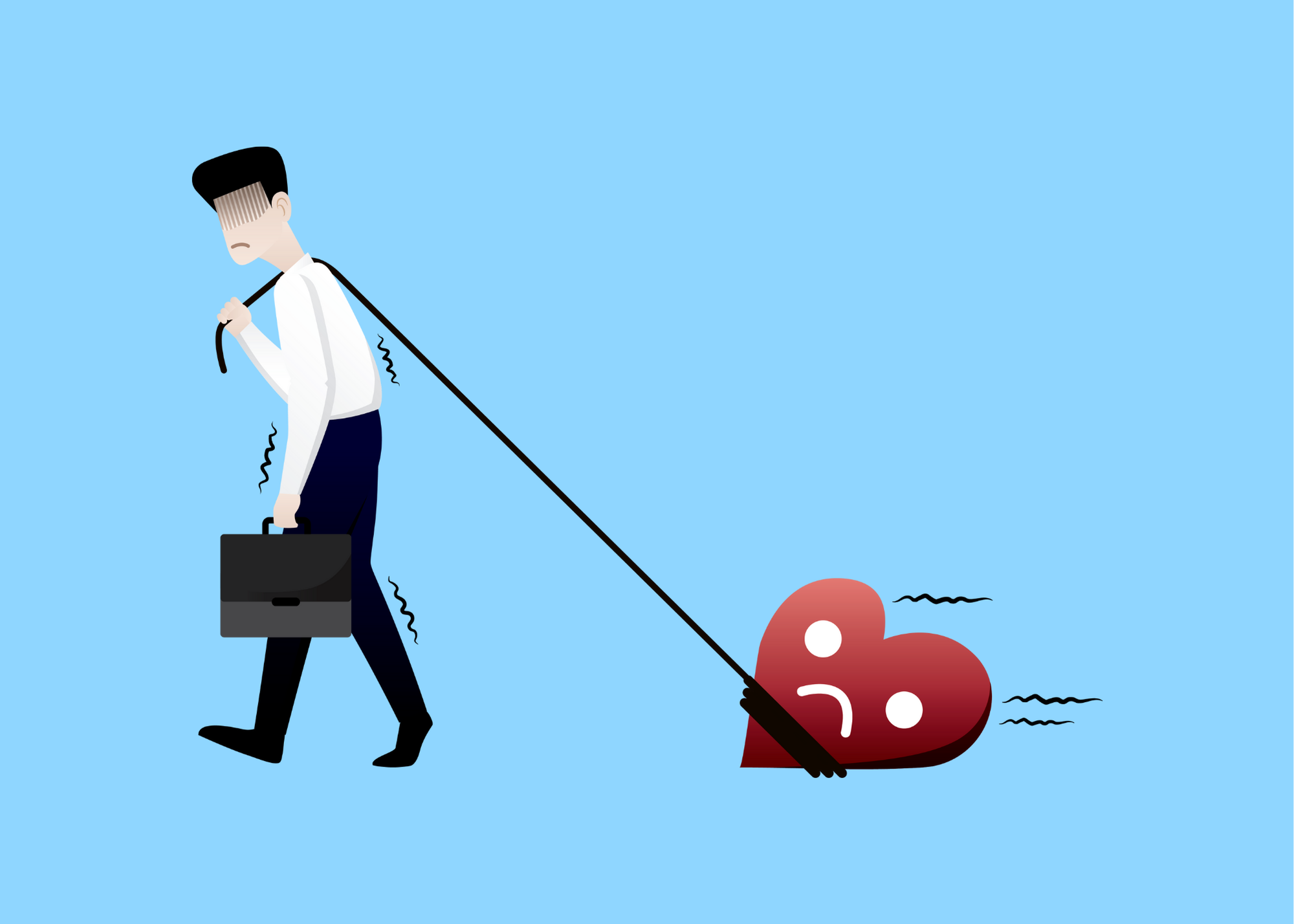
Loneliness Is a Danger To Your Health—and Your Success. Here’s How to Fix It.
You don’t have to be physically alone to experience loneliness. You can be surrounded by people, even in a committed relationship, and still feel completely isolated.

The Power of Empathy: Enhancing Emotional Intelligence in Your Relationships
What makes empathy so compelling is the way it sharpens our emotional intelligence, offering profound insights not only into the emotions of others, but into our own.

Do Your Part: 10 Skills and Practices for High Achievers to Implement for a Healthier Work Environment
The very traits that fuel success—perfectionism, competitiveness, hyper-independence, and an insatiable need to perform—can unintentionally create a high-pressure or even toxic environment for others.

Positive Interactions: How Socializing Boosts Your Mental Health and Reduces Stress
Mounting evidence suggests that prioritizing meaningful social connections isn’t just pleasant—it’s vital for mental health, resilience, and even physical well-being.

Perception Bias: Becoming More Self-Aware of How You Show Up in the World to Others
We all want to be successful, driven, and respected, but sometimes our actions don’t quite align with how we intend to be seen.

Spending Quality Time with Loved Ones Is Essential for Your Well-Being
Family, friends, pets, and even community connections are more than just "nice to haves" — these relationships ground us, support us, and bring meaning to our lives.

"Show Me Your Friends, and I’ll Show You Your Future": The Impact of Your Social Circle
The company you keep says more about your future than you might think. Your social circle influences your mindset, behaviors, and trajectory—often in ways you don’t immediately realize.

Strong Relationships Are Crucial to Overall Health
Strong, authentic relationships are not just a "nice-to-have"; they’re crucial for your physical, emotional, and mental health.

Small Acts of Kindness Transform Relationships and Mental Wellbeing
Science and real-world experience reveal that kindness is not only good for the soul but also a strategic lever for personal growth, resilience, and lasting success.

We Need to Connect in Real Life, Not Just Digitally, for Our Health
How can we balance our digital lives with real-life relationships to support better health?

If Your Coworkers Drain You, It’s Important to Prioritize Friends and Family That Uplift You
Not all connections are created equal. If your workplace is draining and your colleagues don’t fill your emotional cup, you’re better off focusing your energy on connecting with family and friends who truly nourish you.

Social Isolation Is a Hidden Danger of Chronic Stress. How to Reconnect if You’ve Withdrawn
Whether it stems from a relentless work schedule, emotional exhaustion, or simply feeling too overwhelmed to connect, isolation can silently erode your well-being.

How to Use Social Support to Stay Committed to Fitness Goals
Leveraging social connections can be a powerful tool to stay consistent and motivated in your fitness journey.

The Importance of Reconnecting With Friends When Life Feels Overwhelming
If you’ve been hesitant to reach out because you’re worried it’s been too long or you don’t have the energy for big gestures, know this: It’s never too late, and it doesn’t have to be complicated.