Causes of Professional Burnout: Values Mismatch—When Work Feels Meaningless
When Work Feels Meaningless: What’s Going Wrong?
Employees don’t just work for a paycheck—they work for purpose. When that purpose feels hollow, motivation crumbles. A values mismatch happens when an organization’s actions don’t align with its stated mission or when an employee’s personal values clash with company priorities. And let’s be clear: This isn’t about expecting work to be a utopian passion project. It’s about the fundamental human need to believe that what we do matters.
Leading expert Dr. Christina Maslach’s research on burnout highlights values mismatch as a key reason employees disconnect from their work. When an organization’s actions contradict its stated mission—or when employees feel pressured to compromise their own values—it creates deep internal conflict. What does that disconnect look like? Maybe a company preaches work-life balance but rewards those who sacrifice personal time. Maybe it claims to care about ethics while cutting corners for profit. Or maybe an employee joined because they believed in the mission, only to realize it’s just corporate lip service.
Over time, that internal conflict leads to disengagement, resentment, and—eventually—the exit door. No one wants to feel like a cog in a machine that stands for something they don’t believe in. If an employee feels like their work is meaningless, it’s only a matter of time before they stop caring altogether.
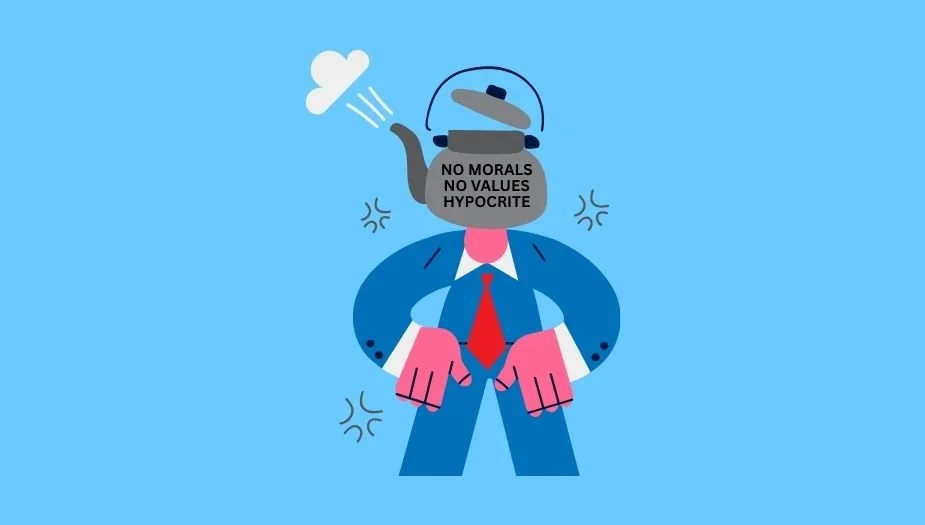
When Work Feels Meaningless— What to Do Instead
Organizations love to plaster values on their websites and office walls, but if those values don’t show up in decision-making, employees will see right through them.
First, companies need to get brutally honest: Are your stated values actually guiding your business practices, or are they just branding fluff? Employees aren’t naive—they know when leadership is just saying what sounds good versus acting with integrity. If there’s a disconnect, leaders need to realign company practices—or prepare to lose people who actually care about integrity.
And let’s not forget: Values alignment isn’t about hiring clones who think the same way. It’s about ensuring that employees can see a connection between their work and the company’s broader mission. People don’t need perfection, but they do need to believe in what they’re contributing to.
How to Fix It
Live your values—don’t just market them.
If your company claims to value innovation but punishes employees for taking risks, or preaches diversity but promotes the same homogenous leadership team, people will notice.
Ensure values aren’t just talking points but principles that guide decision-making.
Hire and promote leaders who embody those values.
A company’s culture is shaped by the behavior of its leaders.
If executives and managers prioritize short-term profits over long-term integrity, employees will take that as the real value system—no matter what’s on the mission statement.
Give employees a voice in shaping culture.
If employees feel disconnected from the company’s values, ask why.
Conduct regular culture audits, listen to employee concerns, and take action when misalignment emerges.
People want to contribute to something meaningful, and their input should shape the workplace they’re part of.
Final Thoughts
When values and actions align, employees don’t just show up—they engage. A company’s true culture isn’t defined by words on a website or speeches in all-hands meetings. It’s reflected in daily decisions, leadership choices, and how employees are treated.
If you want people to give their best, make sure they believe in what they’re working toward. Because no amount of perks or paychecks can compensate for work that feels meaningless.
Article References
The sources cited in the article:
Dr. Christina Maslach. “Dr. Christina Maslach UC Berkeley Psychology” Dr. Maslach UC Berkeley Profile
Forbes. “Reduce Burnout Risk: Fix the Workplace Mismatches.” Forbes - Reduce Burnout Risk: Fix the Workplace Mismatches
American Psychological Association (APA). "Why We’re All Burned Out and What to Do About It.” APA - Burned Out
Forbes. “The 6 Causes of Professional Burnout and How to Avoid Them.” HBR - The 6 Causes of Professional Burnout
Mindgarden. “Maslach Burnout Inventory (MBI).” Mindgarden - Maslach Burnout Inventory