Lack of Fairness Epidemic: What’s Going Wrong?
Nothing kills morale faster than unfairness. Dr. Christina Maslach, a leading burnout expert, has identified lack of fairness as a leading cause of workplace burnout. When employees perceive inequity—whether in pay, promotions, favoritism, workload distribution, or biased leadership decisions—it erodes trust and fuels resentment. These aren’t just minor workplace grievances. They’re culture crushers. When promotions go to the well-liked instead of the most qualified, when performance reviews are riddled with unconscious bias, and when workloads are unevenly distributed, employees take note. And they don’t forget.
When people perceive their workplace as unfair, motivation tanks, resentment builds, and turnover skyrockets. Why should employees go above and beyond if the rewards are arbitrary? Why should they trust leadership if the rules seem to change depending on who’s involved? A culture of favoritism or bias doesn’t just demotivate employees; it creates a toxic environment where people disengage, check out, or actively seek the exit.
Fairness isn’t just about avoiding lawsuits—it’s about fostering a culture where people feel valued, respected, and motivated to do their best work. If you’re losing top talent, don’t assume it’s because they “wanted a new challenge.” More often than not, they’re walking away from a system that felt rigged.
Lack of Fairness— What to Do Instead
Transparency is non-negotiable. Employees aren’t asking for perfection—they’re asking for consistency.
Set clear expectations for promotions, compensation, and workload distribution. If employees raise concerns about fairness, don’t dismiss them—listen, investigate, and take corrective action. If the same complaints keep surfacing, you have a systemic issue that needs fixing.
Above all, ensure policies are applied consistently across the organization. The quickest way to destroy trust? Letting the rules slide for some while strictly enforcing them for others.
How to Fix It
Conduct regular equity audits.
Take a hard look at pay structures, promotions, and workload distribution.
If patterns of inequity emerge, address them head-on.
Create transparent criteria for advancement.
If employees don’t know what it takes to get promoted or earn a raise, you have a fairness problem.
Make expectations clear, measurable, and accessible.
Hold leadership accountable.
Fairness starts at the top. If leaders don’t model it, employees won’t believe in it.
Set the standard for equity and integrity, and don’t tolerate favoritism or bias at any level.
Eliminate ‘managerial discretion’ loopholes.
If raises and promotions are decided behind closed doors with no clear guidelines, bias will creep in.
Standardize processes so decisions are based on merit, not personal preference.
Check workload distribution.
If the hardest-working employees keep getting more dumped on them while others skate by, resentment will fester. Balance the load fairly.
A workplace where fairness is a given—not a luxury—is a workplace where people want to stay, contribute, and thrive. If you’re serious about retaining top talent, fairness isn’t optional—it’s essential.
Build a Culture of Fairness: Best Practices
Fairness isn’t about making everyone happy all the time—it’s about ensuring people understand the rules and trust that they’re applied consistently. If employees believe decisions are made based on clear, merit-based criteria, they’re more likely to stay engaged—even when things don’t go their way.
1. Make Promotions and Raises Transparent
Employees shouldn’t have to wonder how advancement decisions are made. Clearly outline the criteria for raises and promotions.
Ensure those criteria are tied to measurable performance outcomes, not just likability or tenure.
Conduct regular equity audits to identify pay disparities and fix them before they become major retention issues.
2. Standardize Workload Distribution
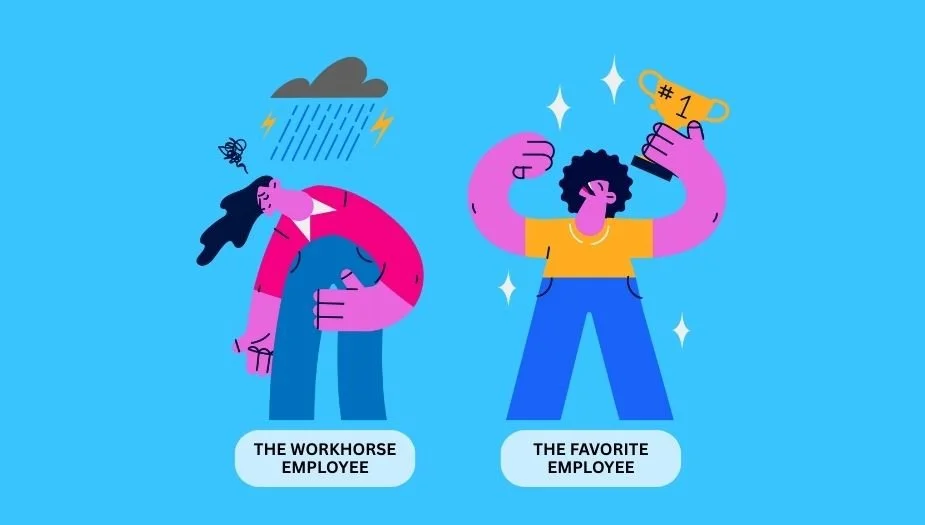
Are the same people always being asked to pick up the slack? High performers shouldn’t be penalized with more work while others coast.
Use objective measures to assign projects and responsibilities fairly.
If someone is consistently underperforming, address it directly—don’t let others shoulder their burden.
3. Eliminate Bias in Performance Reviews
Research shows that bias—both conscious and unconscious—affects how employees are evaluated. Women and minorities are more likely to receive vague feedback, while their white male peers get actionable guidance that leads to promotions.
Implement structured performance evaluations with specific, measurable criteria to minimize bias.
Train managers on recognizing and correcting their biases.
4. Hold Leadership Accountable
Fairness starts at the top. If executives and managers don’t model transparency and equity, employees won’t believe it matters.
Conduct 360-degree reviews so employees can provide feedback on leadership.
Establish clear consequences for leaders who engage in favoritism or discriminatory practices.
Final Thoughts
Workplace fairness is a necessity for engagement, retention, and overall company performance. When employees trust that they’ll be treated fairly, they’re more likely to go the extra mile, collaborate effectively, and stay loyal to the organization. When fairness is missing? Expect disengagement, burnout, and a revolving door of talent.
The choice is simple: Build a culture of fairness, or watch trust—and your best employees—walk out the door.
Article References
The sources cited in the article:
Dr. Christina Maslach. “Dr. Christina Maslach UC Berkeley Psychology” Dr. Maslach UC Berkeley Profile
Forbes. “Reduce Burnout Risk: Fix the Workplace Mismatches.” Forbes - Reduce Burnout Risk: Fix the Workplace Mismatches
American Psychological Association (APA). "Why We’re All Burned Out and What to Do About It.” APA - Burned Out
Forbes. “The 6 Causes of Professional Burnout and How to Avoid Them.” HBR - The 6 Causes of Professional Burnout
Mindgarden. “Maslach Burnout Inventory (MBI).” Mindgarden - Maslach Burnout Inventory