How Your Playlists Program Your Brain: Your Music on Repeat Becomes Your Emotional Environment
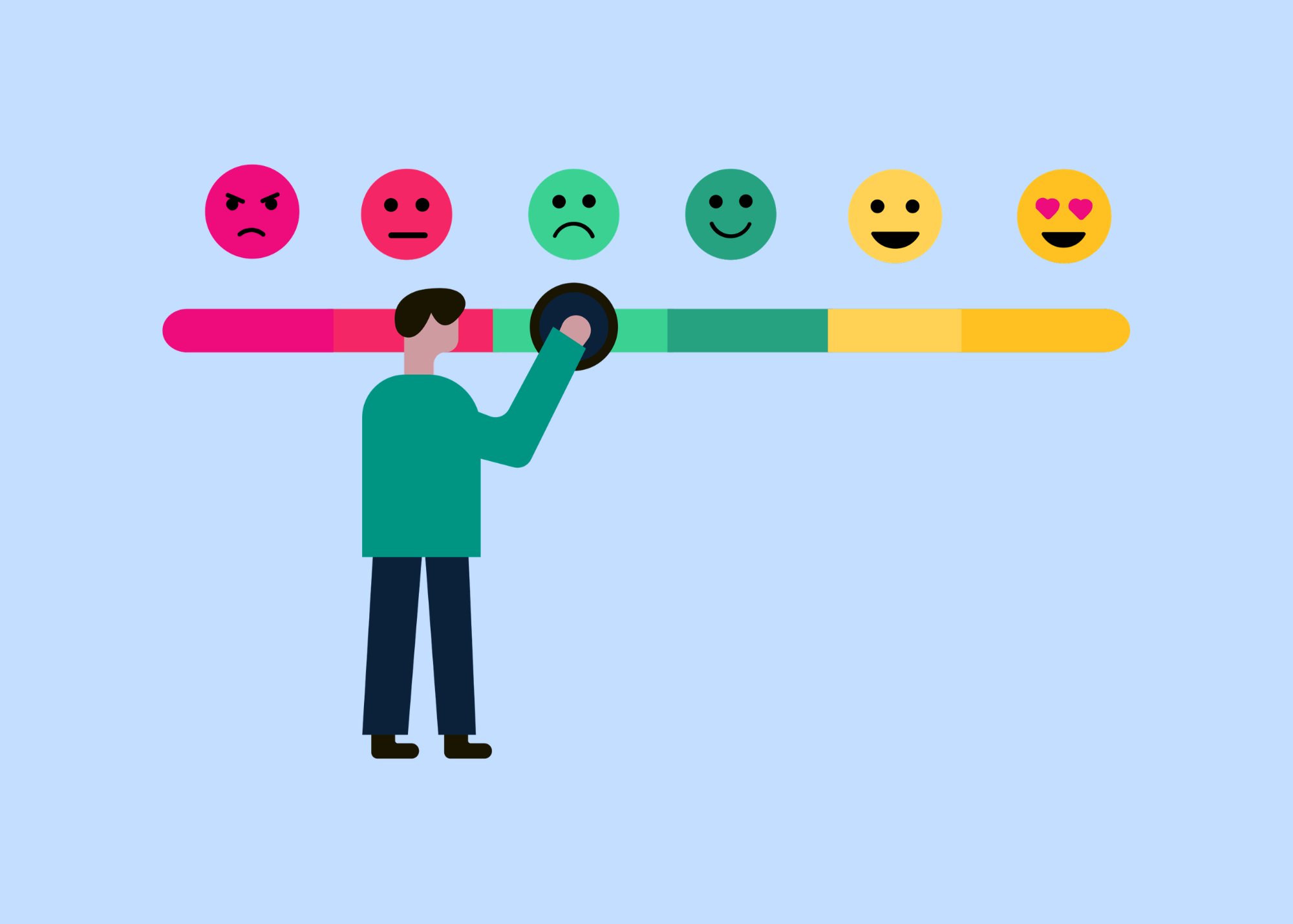
You're not just listening to music. You're dosing your brain.
What you consume is either raising your baseline or quietly lowering it.
Most high achievers obsess over the obvious performance variables. Sleep. Nutrition. Exercise. Stress management. They track their HRV, optimize their morning routines, and read everything they can about peak performance.
And then they spend eight hours marinating in a playlist they haven't thought about since 2019, watching two hours of true crime before bed, and wondering why their baseline feels heavier than it used to.
Here's what nobody is telling you: the inputs you treat as background are not background. The music running while you work. The content you watch to decompress. The colors in your workspace. The emotional tone of the conversations you're surrounded by. All of it is producing measurable, documented effects on your brainwave patterns, your neurochemistry, your nervous system regulation, and over time, your cognitive performance, your emotional baseline, and your mental health.
This is neuroscience. The psychology of your playlist music and other media you consume shapes your stress, mood, and performance. It’s also one of the most under-audited variables in the lives of people who claim to take their performance seriously.
Different inputs produce measurably different states in your brain and body. The question is not whether they affect you — they do, every single day, whether you are paying attention or not. The question is whether you are choosing them deliberately or letting them happen to you by default.
Let's get specific about what's actually happening and what it means for how you architect your day.

Your Brain Literally Runs on Frequencies
Your brain communicates through electrical oscillations, or brainwaves, that operate in distinct frequency bands, each associated with a different cognitive and emotional state:
Delta (1–4 Hz): deep sleep and restoration
Theta (4–8 Hz): creativity, intuition, meditative states
Alpha (8–13 Hz): relaxed alertness, calm focus
Beta (13–30 Hz): active thinking, problem-solving, engagement
Gamma (30–70 Hz): higher-level perception and complex cognitive processing
These patterns shift in real time based on what you are doing, thinking, feeling, and what you are consuming. Every input into your sensory system is influencing which frequencies dominate your brain at any given moment.
The question is not whether your inputs are affecting you; they are measurably and demonstrably every single day. The question is whether you are choosing them deliberately or letting them happen to you by default.
The Music You Listen To Is Tuning Your Brain
Music tempo directly modulates emotional states in ways measurable on EEG.
Slow tempo induces higher theta and alpha power in the frontal region, associated with relaxed reflection and creativity. Fast tempo increases beta and gamma band power, associated with active engagement and arousal.
This is why a slow, minor-key playlist at the end of a hard day feels like it's pulling you deeper into heaviness. You're not imagining it, it really is.
Soft, slow, non-lyrical music with harmonies can significantly reduce systolic blood pressure, heart rate, respiratory rate, and oxygen saturation. Slower music activates the parasympathetic nervous system, aka your rest-and-digest mode. This is genuinely therapeutic when you're overstimulated and need to come down. The problem is when it becomes the dominant mode: when the playlist you default to all day is slower, darker, more melancholic, and you begin to mistake that pulled-down feeling for your natural baseline.
Music can trigger the release of endorphins and oxytocin, which promote social bonding and alleviate pain, and also activates the brain's default mode network, linked to self-reflection and emotional processing.
What this means practically: the music you play while working, commuting, cooking, and exercising is not neutral.
Upbeat, energetically rich music with positive lyrical content activates reward circuits, increases dopamine, and shifts your brain toward higher arousal states associated with motivation, engagement, and positive affect.
Dark, aggressive, or deeply melancholic music does the opposite and if it's your constant sonic environment, it is chronically nudging your brain toward lower arousal states.
This isn't a judgment about musical genres. It's neurochemistry. Three hours of listening to dark ambient or metal or alt music is a different physiological choice than three hours of upbeat pop, jazz, or classical.
The Media You Consume Is Literally Rewiring How You See the World
This is where the research gets most directly relevant to your life…and most challenging to hear.
When people watch shows that depict violence, catastrophic events, or large-scale threats, the brain often responds as if those threats were real. This triggers the amygdala ( the region responsible for identifying danger ) and sets off a chain of stress-related reactions in the body, including heightened alertness and physical tension.
Your brain does not reliably distinguish between a threat depicted on screen and a threat in your physical environment. The amygdala responds to the emotional content of what you're watching, not to its fictional status. This means a steady diet of horror, true crime, violent dramas, and dystopian content is keeping your threat-detection system chronically activated — releasing cortisol, maintaining low-grade sympathetic nervous system arousal, and over time, recalibrating your perception of the world as a fundamentally dangerous place.
Repeated exposure to threatening or emotionally intense media can keep the body in a prolonged state of stress, increasing baseline anxiety levels and disrupting the sense of emotional security that helps people recover from daily stress. Research also shows that frequent activation of the fear response can interfere with how the brain regulates emotions. The prefrontal cortex, which helps with decision-making and emotional control, may become less effective when overstimulated by constant fear signals.
Read that again: the prefrontal cortex — the executive function center you depend on for clear thinking, strategic decision-making, and emotional regulation — becomes less effective under chronic fear-signal exposure. You are literally making yourself less cognitively sharp by what you choose to watch.
The cumulative effect is something researchers call mean world syndrome: a documented psychological phenomenon where heavy consumers of violent and threatening media come to perceive the world as more dangerous, people as less trustworthy, and their own future as less hopeful than reality warrants. Research shows that frequent exposure to crime shows or violent news reports can distort one's perception of the world, creating a sense of constant danger and insecurity.
For a high-achieving professional already running on elevated cortisol from work demands, chronic stress, and insufficient recovery adding a nightly dose of true crime podcasts, horror content, and violent dramas is not decompression. It’s additional threat loading on a nervous system that is already struggling to regulate.
What the "Low Vibration" Media Landscape Looks Like Over Time
Let's be specific about what chronic consumption of low-arousal, threat-saturated content actually does; not in a single sitting, but cumulatively, over months and years.
Anxiety as baseline. When your brain is chronically pattern-matching for threats from the media it consumes, it begins to apply that same vigilance to your real life. Small problems feel larger. Ambiguity feels threatening. The future feels uncertain in ways that undermine initiative and risk tolerance.
Drive and motivation erosion. Dystopian content: stories where systems are broken, effort is futile, and outcomes are predetermined by forces beyond individual control are not just entertainment. Content that focuses on danger and disaster affects how the brain processes fear and stores memory, and high exposure has been linked to attention problems, emotional volatility, and difficulty returning to a sense of safety. Narratives of futility, when consumed repeatedly, quietly erode the belief that individual action matters. That belief is the foundation of motivation.
Cognitive fog and decision fatigue. Watching television is a passive activity that does not provide opportunities for movement or emotional processing, which can increase the likelihood of rumination, disrupted sleep, and social withdrawal — all of which are linked to higher rates of anxiety and depression. Two hours of intense, dark content before bed is not rest: it’s arousal, cortisol, and disrupted sleep. All of which compound the cognitive and emotional deficits of an already demanding day.
Desensitization and empathy erosion. Excessive exposure to violent content has been linked to increased aggression, social isolation, and desensitization to the pain of others. This matters for the professional who leads teams and manages relationships. Chronic violence and dysfunction as entertainment recalibrates what you consider normal: in behavior, in relationships, in acceptable treatment of others.
The Contrast: What High-Frequency Inputs Actually Do
Now the genuinely good news:
Laughter is neurochemically potent. Laughter decreases serum levels of cortisol, epinephrine, and growth hormone indicating a direct reversal of the stress response. It alters dopamine and serotonin activity, and the endorphins secreted by laughter actively help when people are uncomfortable or in a depressed mood.
Humorous video clips considered funny activated reward centers in the brain on fMRI. A study involving 52 patients shown a one-hour humor video found increases in natural killer cell activity, immunoglobulins, and leukocytes which means measurable improvements in immune function from a single comedy session.
Simply anticipating humor decreased cortisol levels by nearly 50% in adults over 65. Laughter exercises improve focus, productivity, and creativity. Studies show laughter releases dopamine and serotonin, contributing to a calm, creative mindset needed for high performance.
Watched a Hallmark movie recently and felt a little embarrassed about it? Don't. The warmth, connection, and resolution of those narratives is activating oxytocin and serotonin in ways that genuinely regulate your nervous system. A romantic comedy, a heartwarming documentary, or a comedy special are all neurochemically strategic choices for a nervous system that is chronically under stress.
Comedy and humor interventions have been found to have positive impact on mental health symptoms and several mechanisms of wellbeing recovery, including connectedness, hope, identity, and empowerment. Humor allows cognitive reappraisal of negative life events, helping people re-frame challenging situations as less threatening — a mechanism particularly beneficial for depression, which involves negative information processing bias.
You absorb the emotional environment of what you watch. Emotional contagion from media is real: the emotional tone of content influences viewers' feelings and actions, with positive content producing heightened positive emotional states. Watching people solve problems with generosity, humor, resilience, and intelligence doesn't just feel good. It activates the same neural circuits that watching it in real life would, subtly calibrating your own behavioral defaults toward those same qualities.
Color: The Most Overlooked Environmental Frequency
Colors are processed in the brain's limbic system which is the area responsible for emotions and memory. Studies show color impacts heart rate, stress levels, and focus. Longer wavelength colors (reds, oranges, yellows) feel arousing or warm, while shorter wavelength colors (blues, greens, purples) feel relaxing or cool.
Blue has been linked to better creative output and is most effective for brainstorming and creative work creating associations with openness, peace, and tranquility that reduce cognitive rigidity and support innovative thinking.
Green minimizes eye strain and creates a calming atmosphere, ideal for sustained focus work.
Yellow tends to make people feel cheerful and energized but can cause visual fatigue in large doses.
Red can increase heart rate and adrenaline levels, making it stimulating and useful in short bursts for energy and motivation, but overwhelming and anxiety-producing when it's the dominant color in an environment over extended periods.
Black, white, charcoal, taupe, greige (neutral colors) occupy a different lane entirely.
Dark neutrals like charcoal and deep navy, when used intentionally, create a sense of containment, sophistication, and focused calm.
White and light neutrals open a space visually, reducing cognitive stimulation and creating a clean mental slate.
The issue isn't any individual neutral: it's dominance and proportion.
An environment that is heavily saturated in dark tones with no warm or cool color accents can feel heavy and mood-suppressing over time, not because black is inherently negative but because the brain responds to light, contrast, and color variety as signals of safety and stimulation.
The practical takeaway: think in terms of balance and intention rather than good versus bad colors.
What does your space feel like to be in right now and is that the feeling you want to sustain for eight hours a day?
Activities: The Vibration Differential Is Real
Simply being in the same room as a highly motivated individual improves your own motivation and performance.
The reverse is also equally documented.
Activities that connect you to other people in positive, engaged, purposeful ways — creative work, physical challenge, service, play, learning — activate entirely different neurochemical profiles than passive, isolating, or numbing activities.
Activities oriented toward creation, challenge, and connection produce dopamine, serotonin, endorphins, and BDNF (brain-derived neurotrophic factor, the compound responsible for neuroplasticity and cognitive growth).
Activities oriented toward escape, numbing, or passive consumption produce temporary dopamine followed by depletion, and over time, reduce the baseline dopamine sensitivity that makes life feel engaging.
The high achiever who ends every day with a glass of wine, three hours of dark television, and a doomscroll through social media is not recovering. They are continuing to deplete. The accumulated deficit shows up as motivational flatness, emotional reactivity, cognitive fog, and a creeping sense of meaninglessness that they keep attributing to work stress alone.
How to Audit and Architect Your Inputs
You don't need a complete lifestyle overhaul. You need to make a few deliberate upgrades with the understanding that the cumulative effect of small daily inputs is enormous over time.
Music: Build a default working playlist that is upbeat, energetically forward, and lyrically positive. Reserve darker, more intense music for intentional listening — not as background to your day. Use music tempo as a deliberate physiological tool: slower for winding down, faster for energizing up.
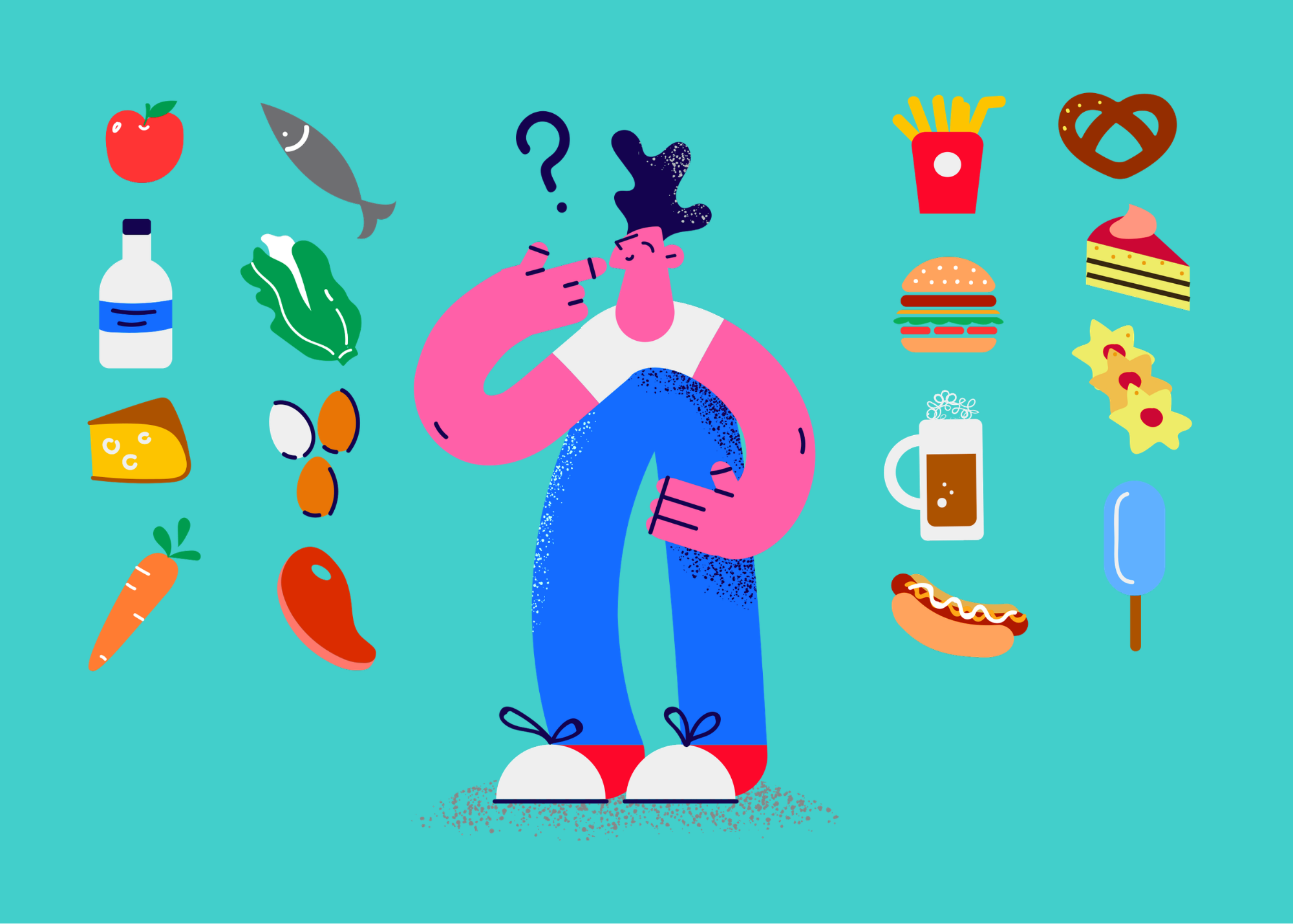
Media: Audit what you're watching with the same analytical rigor you'd apply to your food intake. For every hour of true crime, violent drama, or dystopian content, ask what it's costing your nervous system. Rebalance toward comedy, warmth, inspiration, and stories where people solve problems and connection prevails.
Color: Consider your primary environments like your workspace, your bedroom, your most-used digital interfaces. Are the dominant colors calming and restorative, or chronically stimulating and heavy? Small adjustments: a different wallpaper, a plant, or a change in lighting can make a huge positive impact.
Activities: Build one genuinely regenerative, connective, or creative activity into each day that is not screen-based. A walk outside (green space has documented cortisol-lowering effects), a creative project, a conversation with someone who energizes you, physical training, music.
Final Thoughts
What you feed your brain daily has measurable effects on your brainwave states, your neurochemistry, your perception of the world, your emotional baseline, and your long-term cognitive and mental health.
Music alone has been shown to induce measurable changes in neuroplasticity: reshaping neural pathways through music-based interventions in ways that produce enhancements in functional outcomes, wellbeing, and overall quality of life.
That is from a single category of input. Multiply it across your full sensory environment— music, media, color, activity, and social proximity— the cumulative effect on who you are becoming, cognitively and emotionally, from their impact is not small. You are running a high-performance biological system. The inputs matter.
The music, the content, the colors, the activities, and even the people in our environments are not background. Your energy, your drive, and your emotional resilience is the downstream of hundreds of small daily exposure choices either working for you or against you. Choose accordingly.
Article References
The sources cited in the article:
Havard Medicine "How Music Resonates in the Brain." Harvard Medicine - How Music Resonates in the Brain
Association for Psychological Science (APS). "Neuroscience Says Music is an Emotion Regulation Machine.” APS - Music Emotion Regulation
Georgetown University. “This Music Can Increase Your Concentration and Productivity.” Georgetown University - Music Concentration Productivity
ScienceDirect (SD). “The Molecular Basis of Music-Induced Neuroplasticity.” SD - Molecular Basis of Music-Induced Neuroplasticity
Lions Talk Science. “ How Does Music Affect Your Brain?” Lions Talk Science - How Does Music Affect Your Brain?
Springer Nature. “Psychological Risks and Benefits of Exposure to Heavy Metal Music with Aggressive Themes.” Springer - Heavy Metal Music