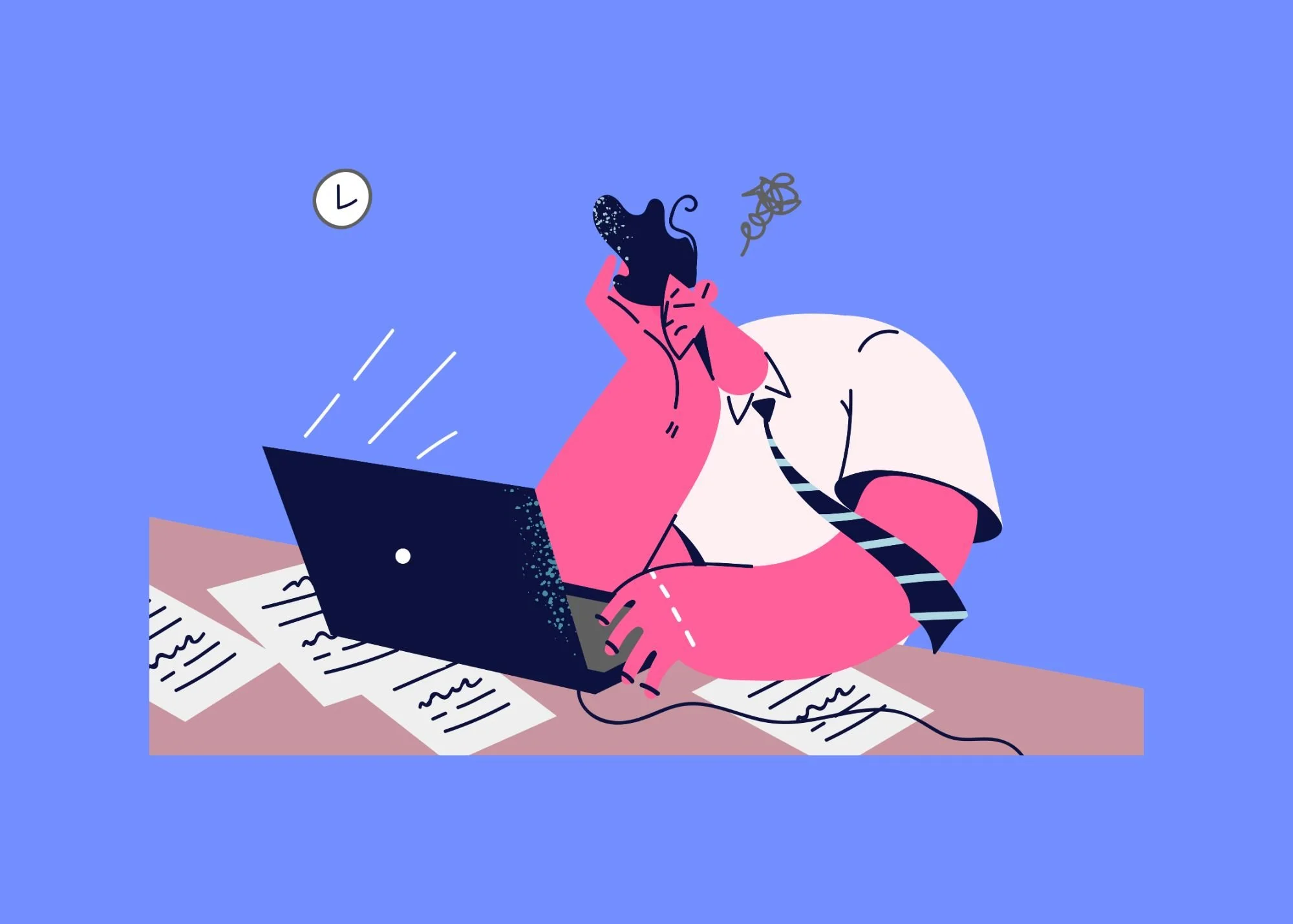
Burnout Starts in the Brain: How to Protect Your Dopamine and Rebuild Motivation
You’re Not Broken—You’re Just Dopamine-Depleted
Let’s talk dopamine—the brain chemical quietly driving your motivation, focus, and desire to get stuff done. This isn’t just about feeling good. Dopamine is your brain’s internal currency for effort and reward. When used wisely, it’s like having an unlimited internal espresso machine. Used poorly? You're left feeling flatlined by 10 a.m., staring at your to-do list like it personally wronged you.
And here's the kicker: You’re probably burning through your daily dopamine supply before your first sip of coffee. Yes, I’m looking at you, morning scroller.
If you're a busy high achiever navigating chronic stress or burnout, understanding how to manage your natural dopamine reserves isn’t optional—it’s essential. Let’s break down how dopamine works, what helps (and hurts) your reserves, and how to structure your day for sustained motivation, peak performance, and real recovery.
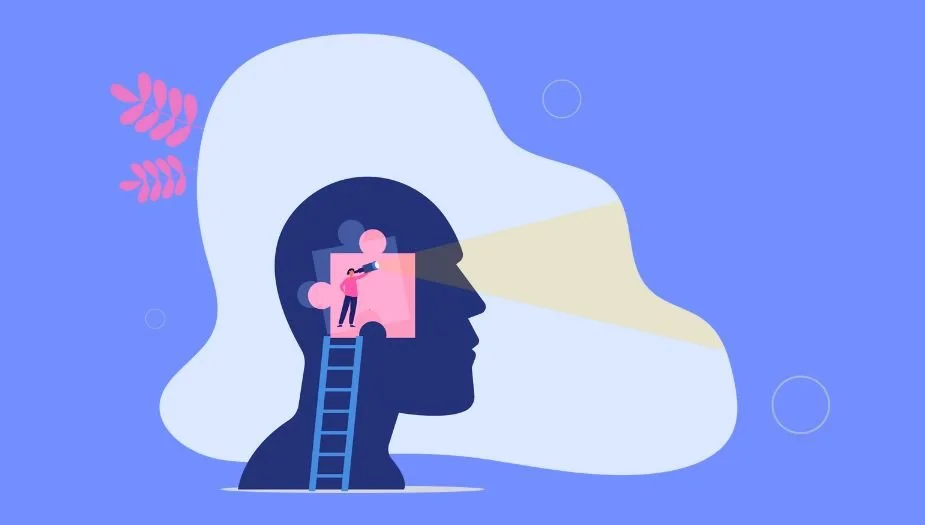
Dopamine 101: The Brain’s Motivation Molecule
Dopamine is a neurotransmitter—a chemical messenger—that plays a key role in motivation, reward-seeking behavior, focus, learning, movement, and even mood regulation. It’s not just about feeling good; it’s about the anticipation of reward and the drive to pursue goals.
Here’s what matters:
Dopamine spikes when we anticipate a reward.
Dopamine crashes when we’re overstimulated without follow-through.
Chronic stress, overstimulation, and poor habits can leave your dopamine system dysregulated, which is a fancy way of saying: you lose your drive, focus, and zest for life.
This is especially problematic for burned-out professionals. When you're constantly chasing productivity with zero replenishment, your dopamine system can start to flatline—leaving you unmotivated, unfocused, and exhausted. Sound familiar?
The Morning Dopamine Window: Use It or Lose It
Research shows our dopamine levels are naturally highest in the morning—roughly between 6 a.m. and noon—thanks to our circadian rhythms and neuroendocrine patterns. This is your brain’s prime time for effort, focus, and deep work.
But here's the trap:
When you wake up and immediately grab your phone to check email, scroll social media, or flood your brain with notifications, you're essentially hijacking your dopamine system. Those micro-hits of pleasure may feel productive or satisfying in the moment, but they blunt your dopamine receptors and drain your capacity to feel reward from more meaningful tasks later.
Translation: You’ve already “won” the dopamine lottery for the day by 7:30 a.m., and everything else feels flat. Even when you try to dig into important work at 10 a.m., your brain isn’t buying the reward. It’s already spent.
📉 Too much dopamine too early = long-term depletion.
📈 Delayed gratification = long-term motivation.
Activities That Deplete Your Dopamine (a.k.a. Motivation Thieves)
If you're feeling unmotivated, scattered, or like your drive evaporates by noon, these habits might be why:
☠️ Early-Morning Scrolling
Social media, doomscrolling, and notifications hijack your reward system and leave you overstimulated and under-motivated.
☠️ Multitasking
Jumping between Slack, email, texts, and tabs creates constant micro-stimulation. Dopamine is released—but never in a meaningful, sustainable way.
☠️ Ultra-Processed Food + Sugar Binges
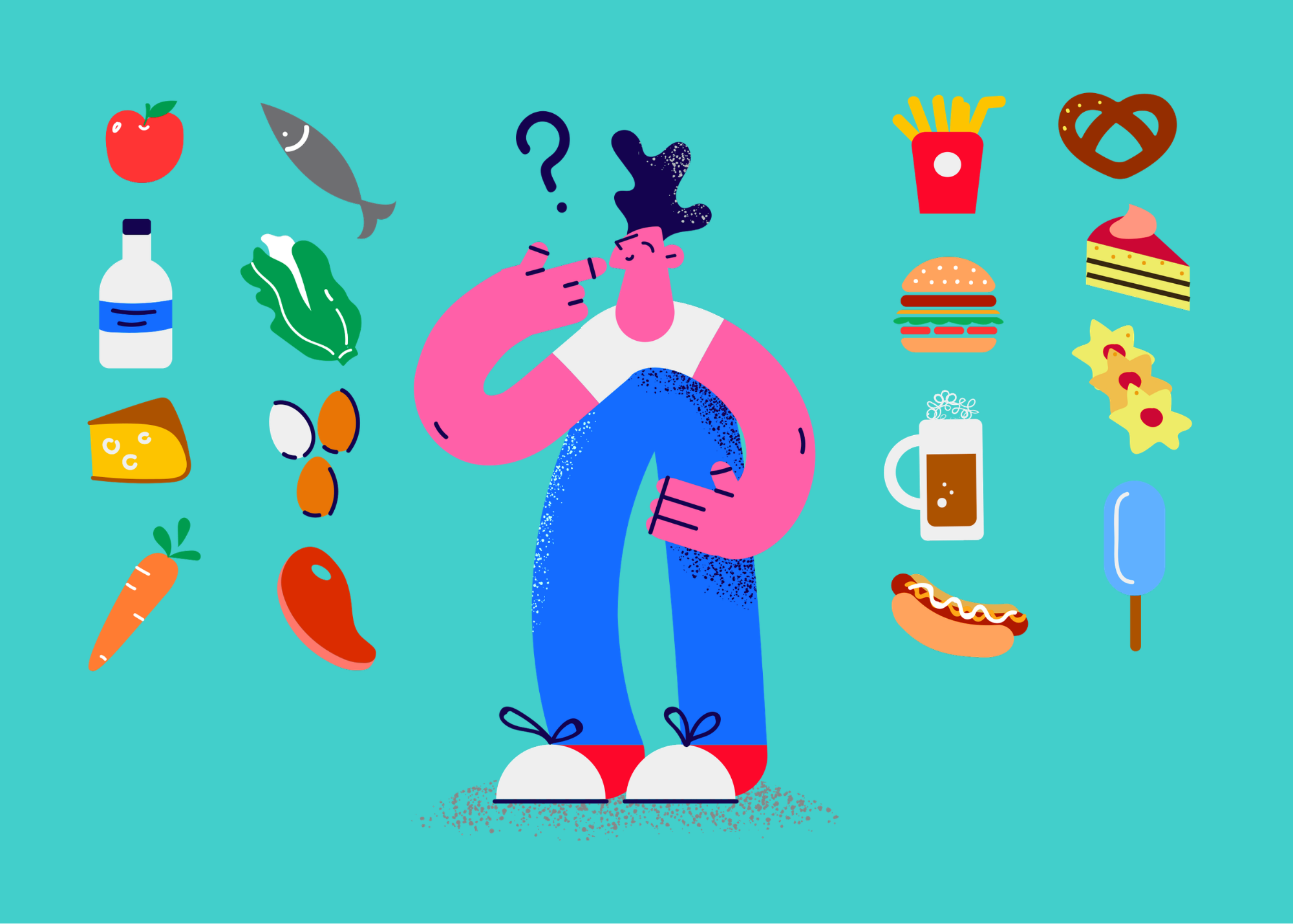
Heavily processed foods and sugar cause quick dopamine spikes, followed by crashes. It’s like lighting a match and calling it a campfire.
☠️ Binge-Watching or Gaming Marathons
While enjoyable in moderation, hours of passive entertainment floods the brain with cheap dopamine and numbs the reward system.
☠️ Stimulant Overuse (Looking at You, Caffeine IV Drip)
Caffeine boosts dopamine short-term, but over-reliance—especially in the afternoon—can disrupt sleep and worsen baseline dopamine regulation.
Activities That Replenish or Protect Dopamine
These habits support healthy dopamine signaling and improve your ability to sustain effort and enjoy meaningful rewards:
✅ Delayed Gratification (a.k.a. “Earned” Dopamine)
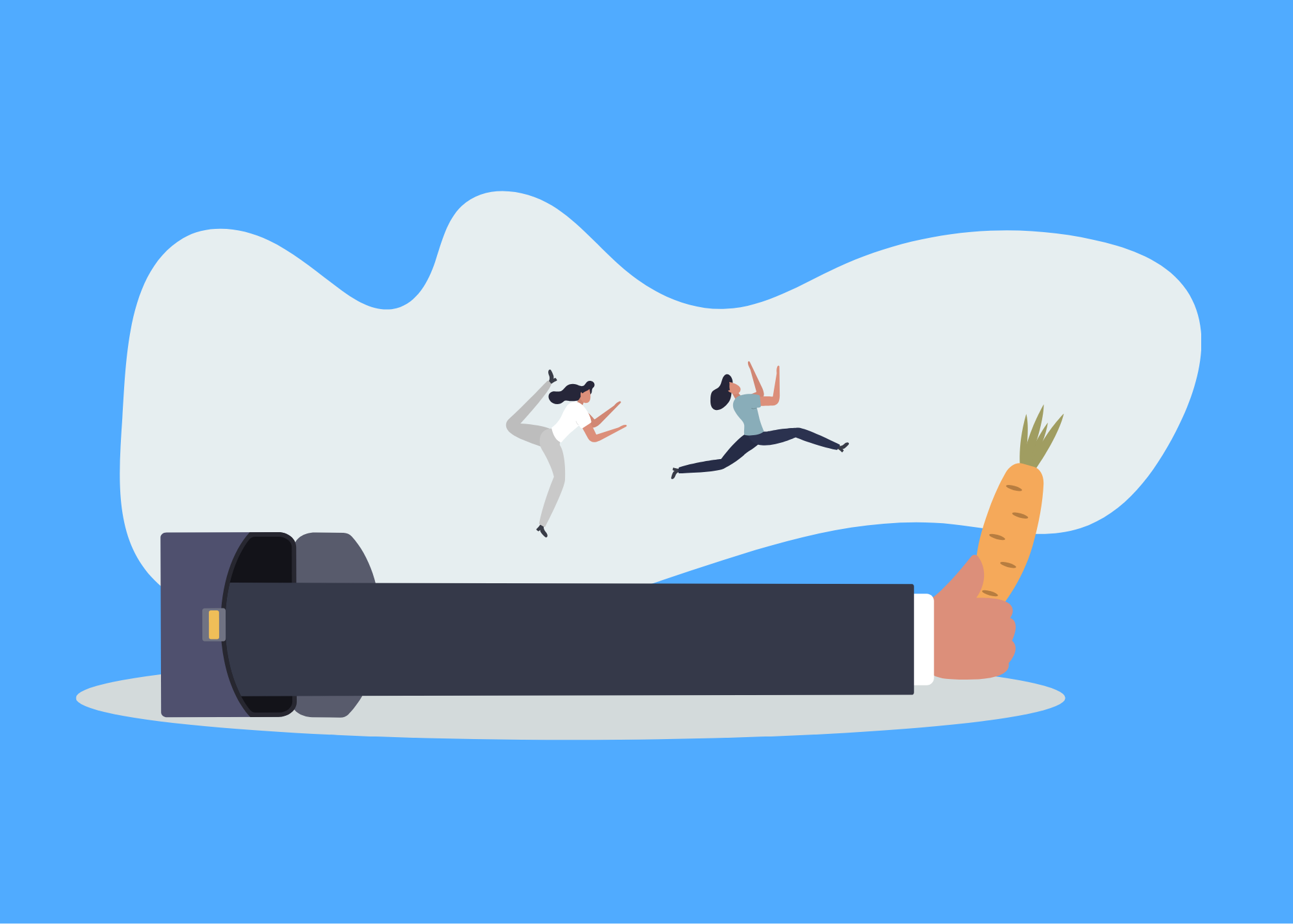
The more effort required before reward, the more potent the dopamine surge. Think: crushing a workout, finishing a report, or finally clicking “submit” on that grant application.
✅ Sunlight + Morning Movement
Exposure to sunlight within 30–60 minutes of waking supports your circadian rhythm, increases alertness, and stimulates natural dopamine release. Combine it with a walk, and boom—double the benefit.
✅ Cold Exposure
Yep, a cold shower or plunge activates the sympathetic nervous system and increases dopamine by up to 250% (Huberman Lab, 2021). The effect lasts for hours—without the crash.
✅ Goal-Oriented Deep Work
Focused work toward meaningful goals reinforces the brain’s effort-reward circuitry and trains dopamine to work for you—not against you.
✅ Sleep (Seriously)
Sleep deprivation impairs dopamine receptor sensitivity, making it harder to feel motivated or focused. Prioritize sleep like your performance depends on it—because it does.
Your Natural Dopamine Day Plan
Let’s get strategic. Here’s how to structure your day to protect, use, and replenish your dopamine reserves like the high-performer you are (with boundaries this time).
🕕 6:00–8:00 a.m. – Protect & Prime Your Brain
Avoid all screens for at least 30–60 minutes.
Get sunlight on your skin and into your eyes (outside > window).
Move your body: walk, stretch, or light workout.
Eat a protein-forward breakfast to support neurotransmitter synthesis.
Pro tip: Listen to a podcast or take notes on paper instead of scrolling—your future self will thank you.
🕗 8:00–12:00 p.m. – Do the Hard Things First
This is your deep work window—your dopamine is high, focus is easier, and this is when you should do your most cognitively demanding tasks.
Block this time for projects, strategic thinking, writing, presenting, problem-solving.
Use the “Pomodoro” technique or time-blocking to stay in the zone.
NO multitasking. Slack, emails, and admin can wait.
🕛 12:00–2:00 p.m. – Recharge, Don’t Numb
Take a real lunch break—eat away from your screen.
Walk outside post-lunch (sunlight + movement = dopamine win).
Keep your caffeine minimal or switch to green tea.
If needed, a 20-minute power nap boosts alertness without disrupting sleep.
🕑 2:00–5:00 p.m. – Lighter Work & Tactical Tasks
This is your brain’s natural dip in dopamine and alertness. Use this time for:
Email replies
Admin tasks
Internal meetings
Planning tomorrow’s priorities
Optional: Cold exposure or a brisk walk can help reset your energy if you're dragging.
🕔 5:00–9:00 p.m. – Wind Down & Restore
Avoid dopamine-heavy habits like binge-watching or mindless scrolling.
Instead, opt for low-stimulation reward: cooking, light reading, board games, puzzles, music, conversation.
Dim the lights to cue melatonin production and protect sleep quality.
🕘 9:00–10:30 p.m. – Sleep as Your Ultimate Reboot
Aim for 7–9 hours. No negotiation.
Cut caffeine after 2 p.m., limit alcohol, and keep screens out of bed.
Use blue light blockers or apps like f.lux if evening screen use is unavoidable.
Why This Matters for Burnout Recovery
When you're chronically stressed or burned out, your dopamine system is often fried. You're pushing hard, but not getting the satisfaction or momentum you used to. This isn't about laziness or lack of willpower—it’s brain chemistry. Your reward circuits are offline.
But they’re not gone forever.
The beauty of dopamine is that it’s plastic—it can be retrained. By managing stimulation, building delayed gratification into your day, and prioritizing restoration, you can rebuild your drive, focus, and zest for life.
TL;DR – Quick Hits for the Dopamine-Savvy Professional
Your dopamine is highest in the morning. Don’t waste it on your inbox.
Scrolling, multitasking, and junk food = dopamine drain.
Sunlight, movement, cold exposure, and deep work = dopamine gain.
Structure your day around effort first, reward later.
Sleep is the best performance enhancer you’re not using enough.
Final Thoughts
You don’t need another productivity hack. You need to stop bleeding motivation through 37 open tabs, over-caffeinated afternoons, and revenge bedtime procrastination. When you treat dopamine like a resource—not a toy—you unlock sustainable, self-directed energy that actually lasts.
Because burnout isn’t just about doing too much.
It’s about doing too much of the wrong things at the wrong time.
Now—put down your phone, step into the sun, and go earn your dopamine.
Need more help with chronic stress or burnout recovery?
If chronic stress has hijacked your motivation, focus, or energy, it’s time for a reset.
Work with me and get a personalized plan rooted in brain science and real-life habits.
Article References
The sources cited in the article:
VeryWell Mind (VW). “How Dopamine Influences Your Mental Health.” VW - How Dopamine Influences Your Mental Health
WebMD. “Dopamine: What It Is & What It Does.” WebMD - Dopamine: What It Is and What It Does
American Psychological Association (APA). "Burnout and Stress Are Everywhere." APA - Burnout and Stress Are Everywhere
The NYTimes (NYT). “Your Body Knows You’re Burned Out.” NYT - Your Body Knows You’re Burned Out
PsychCentral. "Stress or Burnout: How to Tell Them Apart." PsychCentral - Stress or Burnout: How to Tell Them Apart
National Institutes of Health (NIH). "Loneliness and Social Isolation - Tips for Staying Connected.” NIH - Loneliness and Isolation
Research Gate(RG). “Stress and Burnout: The Significant Difference.” RG - Stress and Burnout: The Significant Difference
Harvard Business Review (HBR). “How Burnout Became Normal and How to Push Back Against It.” HBR - Burnout Became Normal