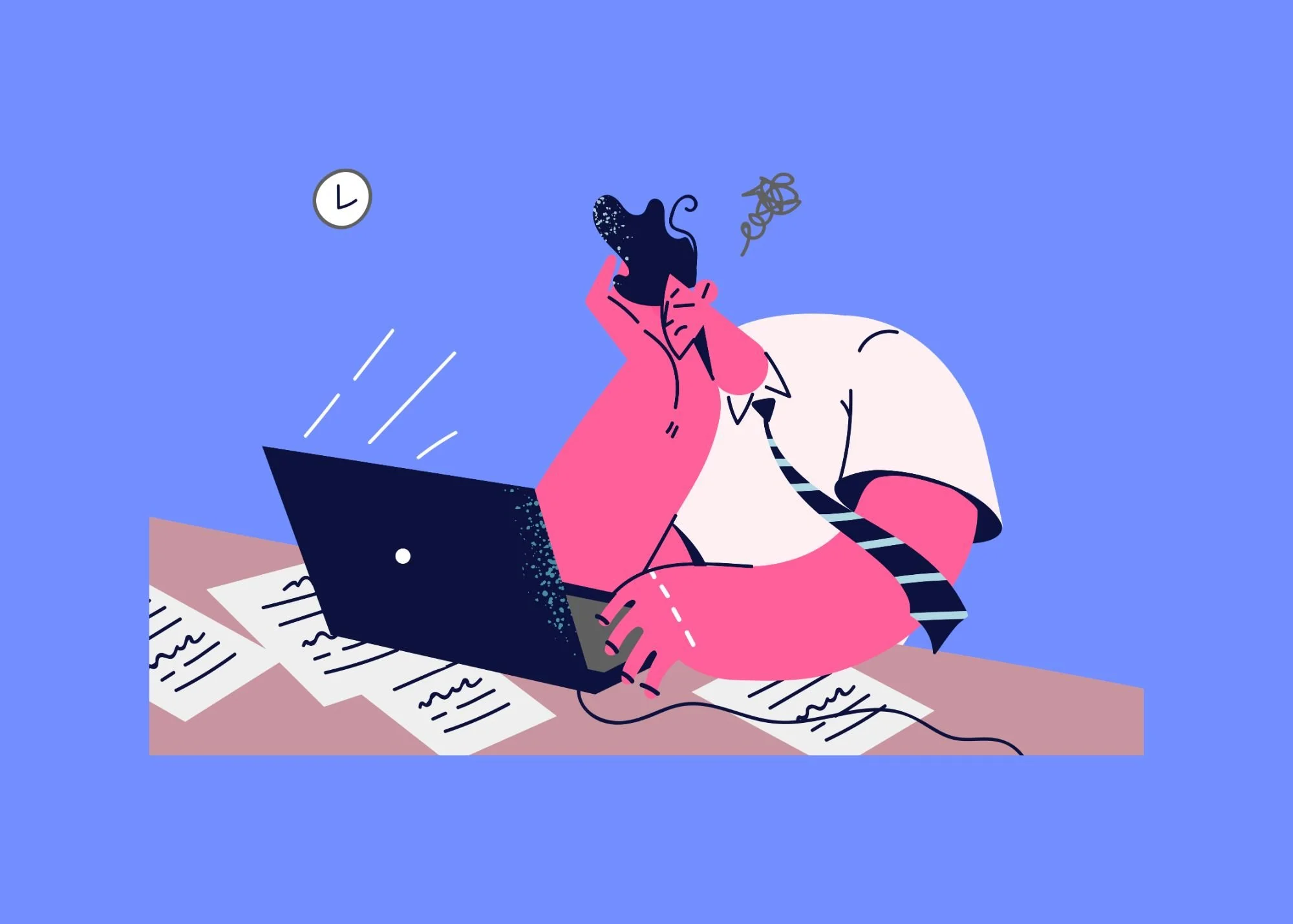
From Emotionally Healthy to Unhealthy: When People or Situations Bring Out the Worst in You
Even Emotionally Healthy People Can Slide Into Emotional Chaos—And What to Do About It
Emotional health is often framed as a personal achievement: regulation, resilience, self-awareness, communication skills, coping strategies. And while those capacities matter deeply, emotional health is not a static trait — it’s a dynamic state. It’s shaped continuously by environment, relationships, workload, nervous system load, and life context.
Even emotionally healthy, self-aware, high-functioning people can destabilize when pressure becomes chronic, boundaries erode, or stress becomes structural rather than situational. Burnout doesn’t just exhaust the body — it dysregulates the nervous system, distorts perception, and narrows emotional capacity.
This is especially true for high achievers in high-stakes environments operating under constant performance pressure. When stress becomes normalized and recovery becomes optional, emotional resilience slowly depletes — often invisibly.
This article explores:
How emotionally healthy people become emotionally dysregulated
Early warning signs of emotional decline
What to do when people or situations bring out the worst in you
How to manage emotionally unhealthy people without absorbing their chaos
How to make short-term stabilizing decisions vs. long-term structural ones
And how to recover when you’ve slipped
This isn’t about becoming emotionally bulletproof. It’s about building the capacity to stay regulated in an increasingly dysregulating world.

The Possibility of Emotional Decline
Can Emotionally Healthy People Become Emotionally Unhealthy?
Short answer: yes. Long answer: yes — and it’s far more common than most people realize.
Emotional health is not emotional invincibility. It’s not immunity to stress, grief, overload, or relational strain. It’s simply capacity — and capacity is finite.
Think of emotional health like physical conditioning. You can be fit, strong, disciplined — and still break down under chronic overload, insufficient recovery, poor nutrition, and sustained stress. Emotional systems work the same way. Nervous systems fatigue. Regulation depletes. Resilience erodes when it isn’t replenished.
Most emotional decline doesn’t happen in dramatic collapses. It happens gradually through:
Prolonged workload pressure
Relationship strain
Unresolved family dynamics
Leadership stress
Identity shifts
Chronic sleep deprivation
The cumulative impact of “just pushing through”
Emotionally healthy people don’t “suddenly become unstable.” They slowly become overextended.
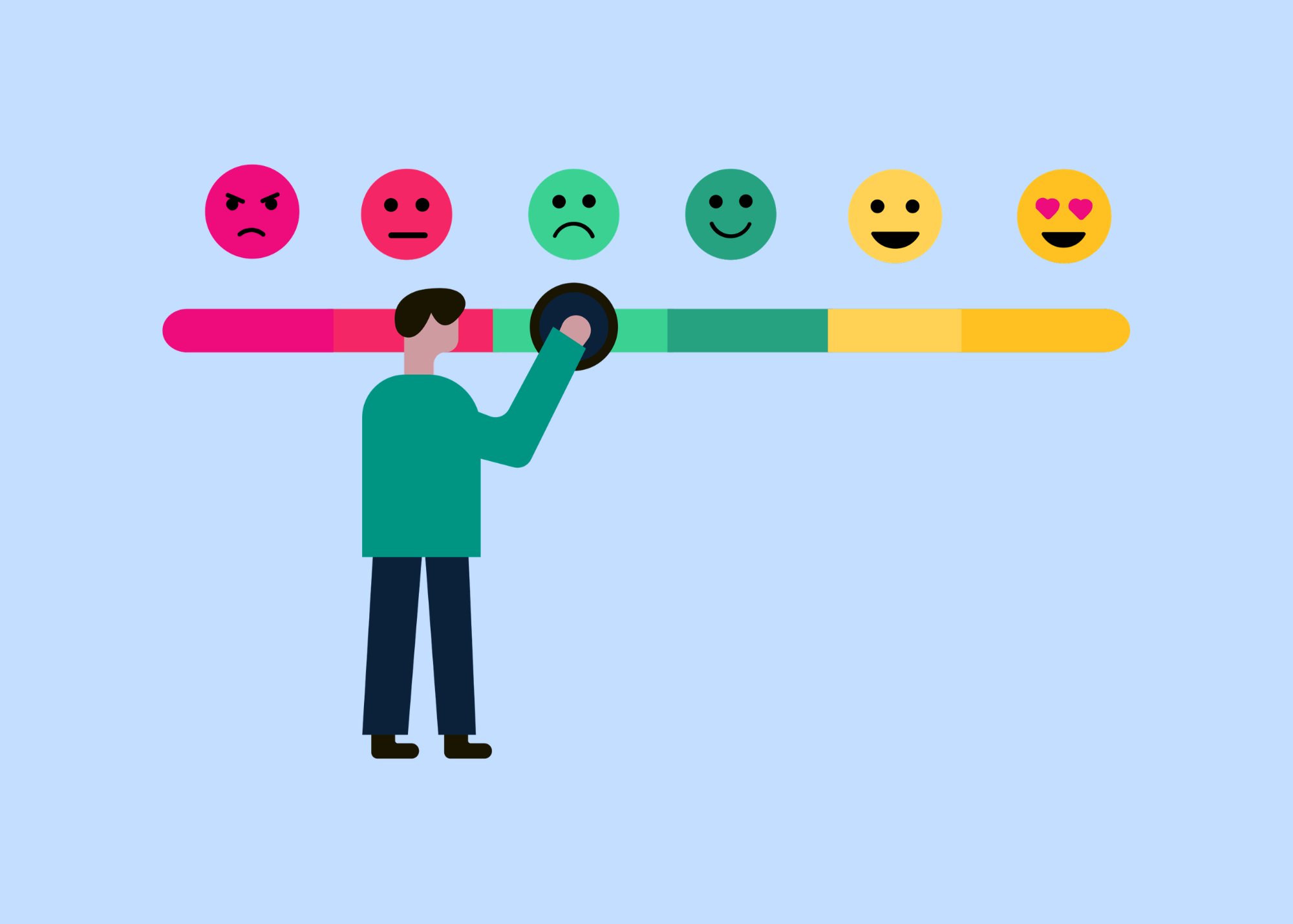
6 Signs You’re Starting to Slip Emotionally
Not every sign of emotional decline looks like full-blown breakdown. Sometimes it just looks like…you, but edgier, sadder, and way more tired.
Here’s what to look for:
1. Irritability On Tap
Your patience shrinks. Your tolerance drops. Small things feel big. Your fuse is shorter than it used to be.
Things that used to roll off your back now set you off.
You’re shorter with people. Snappier in tone. And more easily annoyed than you’d like to admit.
2. Lingering Sadness or Anxiety
You feel off—tense, heavy, unsettled, or perpetually on edge—and can’t pinpoint exactly why.
Your usual outlets and normal coping strategies don’t work as well.
You feel like you’re managing yourself instead of living.
3. Social Withdrawal
You start opting out of connection.
Cancelling plans. Avoiding conversations.
What used to energize you now feels draining. Your capacity is depleted.
4. Mental Fatigue
You’re less focused, less efficient, and mentally foggy.
You might still be performing—but it’s taking way more effort behind the scenes.
Cognitive functioning costs more energy than it should.
5. Changes in Sleep or Appetite
Sleep becomes irregular. Appetite shifts. Energy crashes. Recovery feels harder.
You’re tossing and turning, sleeping too much, stress-eating, or skipping meals altogether.
Your physical rhythms are off and your body starts reflecting your stress load.
6. Decreased Resilience
Things that once felt manageable now feel overwhelming. Your emotional margin is gone.
One small challenge feels like the last straw.
These aren’t just bad days. They’re warning signs that your emotional capacity is running low. And when that happens, the people and situations around you start hitting harder.
What to Do When People or Situations Bring Out the Worst in You
One of the most distressing experiences for high-functioning people is realizing:
“I don’t like who I become around this person or in this situation.”
You can be the most emotionally intelligent person in the room—and still get triggered. That’s often not about immaturity. It’s about chronic nervous system activation in a specific context. Your reactions are data.
Even emotionally regulated people have limits. Certain environments, relationships, and roles will activate stress responses no matter how self-aware you are. The goal isn’t to avoid every tough interaction or completely eliminate triggers — it’s to manage exposure, capacity, protect your peace and recover faster.
Here’s how to navigate it:
Step 1: Get Self-Aware, Fast
Ask better questions. Pause and ask: Why is this setting me off?
What specifically is activating me here?
Is it a familiar dynamic from your past?
Is this a values conflict?
A power imbalance?
A boundary violation?
A trauma echo?
A chronic stressor?
A reminder of something you haven’t healed?
Many high achievers were conditioned to tolerate emotional strain early in life. Certain dynamics can unconsciously pull you back into old regulatory patterns — people-pleasing, over-functioning, shutting down, or snapping.
Clarity restores agency. Getting clear on the real trigger gives you back your agency.
Step 2: Stabilize Short-Term
Short-term strategies are about regulation, not resolution:
Nervous system regulation
Distance from activation (the people, places, situations)
Energy containment
Emotional buffering
This looks like:
Taking space before reacting
Limiting exposure
Containing conversations
Reducing access
Structuring interaction
Regulating before engaging
Short-term stabilization is about preventing damage.
Step 3: Set Realistic Boundaries
If someone constantly drains or dysregulates you, don’t keep offering unlimited access.
Protect your energy:
Leave the group chat
Opt out of the heated topic
Take space without explanation
Functional boundaries include:
Limited access
Topic boundaries
Time boundaries
Emotional boundaries
Availability boundaries
Boundaries are not punishments. They are capacity management.
Step 4: Practice Mindfulness (In Real Life, Not Just on Apps)
You don’t need a 30-minute meditation habit. You need practical tools:
Box breathing during tense meetings
Grounding before that phone call
A walk between tasks to shake off stress
Mindfulness is less about being “zen” and more about staying centered under pressure.
Talk It Through—with the Right People
Don’t isolate.
Talk to people who won’t just validate your rage but will help you reflect, regulate, and reset.
Choose safe, emotionally attuned people for this—not the coworker who loves drama.
Redirect Your Energy
When you’re emotionally flooded, use your body to metabolize it.
Lift heavy things. Go for a walk. Dance it out. Do something physical that brings you back to yourself.
Short-Term Survival vs. Long-Term Structural Change
This is where most advice falls short.
You don’t always have the luxury of immediately removing the trigger — especially when it’s:
A job you currently need
A parent or family member
A spouse or long-term partner
A business partner or senior leader
So you need two different strategies:
1. Short-Term: Containment
Protect Your Nervous System While You’re Still In It
You don’t fix — you stabilize.
These are containment tools — not permanent solutions.
Micro-boundaries:
Shorter conversations
Less emotional disclosure
Less reactive engagement
Limit high-friction topics
Reduce engagement intensity
Minimize conflict - avoid being baited
Control access
Physiological regulation:
Regulate before and after interactions
Build decompression rituals
Prioritize movement and exercise
Allocate extra time for grounding after difficult conversations
Energetic hygiene:
Don’t process their emotions for them
Don’t take on responsibility that isn’t yours
Don’t over-explain or over-defend
These tools reduce damage while you stabilize.
They are not meant to justify staying indefinitely in harmful dynamics.
2. Long-Term: Ask the Hard Questions High Achievers Avoid
Eventually, you have to zoom out.
If a person or environment consistently dysregulates you, ask:
Is this compatible with who I am now?
Is this sustainable?
Is this relationship compatible with my health?
Is this role costing more than it gives?
Is this environment aligned with who I’m becoming?
What is this costing me emotionally, physically, and relationally?
What am I normalizing that I wouldn’t advise a client to normalize?
This is especially complex with:
Jobs:
You may not be able to quit today.
But you can:
Create an exit strategy
Negotiate role scope
Reduce exposure to specific stressors
Build financial runway
Begin networking quietly
Staying without a plan slowly erodes self-trust.
Parents & Family
You may not be able to change them.
But you can:
Redefine how much access they get
Limit emotional disclosure
Stop seeking validation they can’t give
Grieve the relationship you wish you had
Acceptance is often healthier than endless hope for change.
Spouse or Long-Term Partner
This is where emotional decline is most dangerous.
If your relationship consistently dysregulates you, it’s not just emotional — it becomes physiological.
Long-term, this requires:
Honest conversations
Couples work
Clear boundaries
Or serious reevaluation
Staying chronically dysregulated in your closest relationship is one of the fastest paths to burnout and health issues.
Some relationships require renegotiation. Some require distance. Some require restructuring. Some require professional mediation. Some require eventual separation.
Not everything is fixable — but everything is assessable. Stability comes from honesty, not denial.
Dealing with Emotionally Unhealthy People (Without Absorbing Their Chaos)
Some people are walking nervous systems on fire. And if they’re close to you—partner, sibling, boss, best friend—their instability can seep into your world.
Here’s how to hold your center:
1. Emotional Containment
Maintain emotional distance.
You can care about someone without taking on their emotional load.
Compassion doesn’t require absorption. That’s not cold. It’s conscious self-preservation.
If they’re constantly spiraling, angry, or projecting, limit your exposure—even in micro-doses.
2. Refuse the Rescuer Role
Don’t play rescuer.
You're not their therapist, life coach, or emotional regulator. You can say:
“That sounds really hard. I hope you get support for that.”
Encourage support, don’t become it.
Support ≠ responsibility. Regulation ≠ obligation. Care ≠ self-sacrifice.
3. Control What You Can
Control your inputs. Exposure matters. Frequency matters. Intensity matters. Access matters.
You can’t change someone’s behavior, but you can manage your boundaries and responses.
You can’t fix their patterns. Your leverage is in managing yourself.
Protect your peace even when they don’t protect theirs.
4. Lean Into Your Own Support System
Toxic dynamics drain you. Anchor into healthy systems.
Make sure you’re regularly with people who: reflect reality, help you regulate, don’t escalate drama, don’t normalize dysfunction.
Relational safety counterbalances relational strain.
Your nervous system needs regulated nervous systems around it.
You need outlets that pour into you.
You need relational safety to counterbalance relational strain.
How to Recover When You’ve Slipped Emotionally
The beauty of emotional health? You can rebuild it. Emotional decline isn’t failure—it’s feedback.
Here’s how you grow from it:
Step 1: Acknowledge It
No minimizing. No rationalizing. No gaslighting.
Stop gaslighting yourself. This isn’t “just stress.”
It’s your nervous system waving a white flag. Own it without shame.
Step 2: Get Support
High performers need mirrors, not just motivation.
You don’t have to figure it out solo.
Talk to someone trained to help—coach, therapist, mentor. No one wins points for toughing it out alone.
Step 3: Rebuild Capacity
Sleep
Nutrition
Movement
Regulation
Structure
Recovery
Step 4: Edit Your Life
Reduce inputs. Simplify systems. Streamline obligations. Remove friction.
If you’re constantly overwhelmed, zoom out. Emotional well-being starts with the basics.
Are your expectations realistic? Are you over-committed? Is your calendar a cortisol trap?
Step 5: Commit to Maintenance, Not Just Crisis Management
Don’t wait until you’re spiraling to care about your emotional health.
Make it part of your daily routine. Health is not reactive — it’s structural.
Keep the habits that stabilize you on deck—especially when things are good.
Final Thoughts
If life, work, or relationships have started to bring out the worst in you, it doesn’t mean you’ve failed. It means something needs your attention.
Emotional health isn’t about being endlessly regulated — it’s about building enough internal stability, structural support, and external boundaries to stay well inside imperfect systems. Strength isn’t endurance. Resilience isn’t self-sacrifice. Growth isn’t tolerating dysfunction.
Sometimes the work is healing. Sometimes it’s boundaries. Sometimes it’s restructuring. Sometimes it’s distance. Sometimes it’s change. But always — the work is discernment. Because emotional health isn’t just how well you regulate. It’s how wisely you choose what — and who — you allow into your system.
So whether you’re slipping or already flat on your back—this is your invitation to get back up. Stronger. Sharper. More self-aware. Not because you have to, but because you deserve to, and you don’t have to live in distress.
Need Help? The people in your life impact your energy, mood, and stress response.
By setting boundaries, practicing mindfulness, and seeking support you’ll think clearer and show up better.
💡 Let’s make that part of the plan. Book your free 20-minute consult today.
Article References
The sources cited in the article:
World Health Organization (WHO). "Mental Health: Strengthening Our Response." WHO - Mental Health
Mayo Clinic. "Stress Symptoms: Effects on Your Body and Behavior." Mayo Clinic - Stress Symptoms
American Psychological Association (APA). "The Road to resilience." APA - The Road to Resilience
National Institute of Mental Health (NIMH). "5 Things You Should Know About Stress."NIMH - 5 Things About Stress
Harvard Health Publishing. "Understanding the Stress Response." Harvard Health - Understanding the Stress Response
Centers for Disease Control and Prevention (CDC)."Coping with Stress." CDC - Coping with Stress
National Alliance on Mental Illness (NAMI). "Warning Signs and Symptoms." NAMI - Warning Signs and Symptoms
Verywell Mind. “Health Benefits of Mindfulness-Based Stress Reduction (MBSR).” Verywell Mind - Health Benefits of MBSR